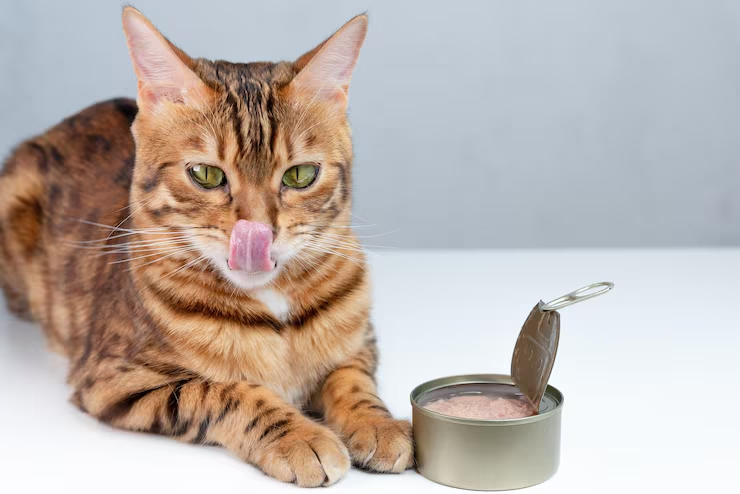
Many cat owners wonder if their furry friends can handle spicy food the way humans do. Let’s break down what cats can actually taste and how they react to spicy flavors.
Understanding How Cats Experience Taste
Cats have a very different sense of taste compared to humans. While humans can detect a wide range of flavors — including sweet, sour, salty, bitter, and umami — cats are more limited in their abilities.
In fact, one of the most surprising facts is that cats cannot taste sweetness at all. This is due to a missing gene that codes for sweet receptors. Their taste buds are primarily designed to help them detect meat-related flavors, as they are obligate carnivores. They are more sensitive to certain bitter or sour tastes, which helps them avoid spoiled food or toxic substances in the wild.
When it comes to spicy food, their taste receptors simply don’t pick up the flavor the same way ours do. But that doesn’t mean they don’t feel it.
What Makes Food Spicy to Humans (and Why It Matters for Cats)
The burning sensation we feel when we eat spicy food doesn’t actually come from a “taste” — it’s caused by a compound called capsaicin. This substance is found in chili peppers and activates pain receptors in the mouth, particularly the ones sensitive to heat.
Humans enjoy this sensation in small doses, and some even build tolerance over time. However, this isn’t about taste at all — it’s about nerve response. And cats have those same nerve endings.
So, while a cat may not “taste” the spicy flavor as humans do, they can still feel the heat and discomfort caused by capsaicin. This is important to understand, as it means spicy food could cause your cat distress even if they don’t recognize it as a flavor.
Do Cats React to Spicy Flavors the Same Way We Do?
Cats don’t seek out spicy foods, and their natural diet doesn’t include anything spicy. In fact, most cats avoid foods with strong smells or unfamiliar textures, which often include spicy dishes.
If a cat does come across something spicy, their reaction can vary. Some may sniff it and walk away, while others — driven by curiosity — might take a lick or bite. What follows is often a sign of discomfort: sneezing, pawing at their mouth, drooling, or walking away quickly.
Their reaction isn’t about enjoying or disliking a flavor — it’s a direct response to the irritation caused by capsaicin or similar compounds.
What Happens If a Cat Eats Spicy Food?
Common physical reactions in cats
If your cat accidentally eats something spicy, you might notice immediate signs of discomfort. These can include:
- Sneezing or coughing
- Squinting or watery eyes
- Excessive licking of the mouth
- Vomiting or drooling
- Pacing or agitation
Most of these are short-term effects caused by the irritation of the mouth, nose, and throat. While unpleasant, these symptoms are usually not dangerous if only a small amount was consumed.
Health risks associated with spicy ingredients
Some ingredients used in spicy foods can pose health risks to cats beyond just irritation. Onions, garlic, and certain spices — often found in sauces or marinades — are toxic to cats even in small amounts. These ingredients can lead to gastrointestinal upset, and in some cases, damage red blood cells or affect organ function.
Chili powder, hot sauces, and even spicy snacks like chips or meats can contain salt, sugar, and preservatives that are also harmful to cats. Over time, feeding your cat human food (especially spicy food) can upset their digestive system and lead to long-term health issues.
Should You Ever Let Your Cat Try Spicy Foods?
While it might be tempting to share a small bite of your meal with your cat, it’s best to avoid giving them spicy foods. Cats don’t benefit from spicy flavors, and there’s no nutritional value for them in such dishes.
Unlike some human foods like cooked chicken or plain fish — which are generally safe — spicy foods carry unnecessary risks. There’s no clear reason to introduce these into a cat’s diet, and doing so may lead to discomfort, vomiting, or worse.
It’s important to remember that cats have very sensitive digestive systems. Even small changes in their diet can lead to stomach upset or allergic reactions.
How to Keep Your Cat Safe From Spicy Ingredients at Home?
Preventing your cat from accessing spicy foods starts with simple awareness. If you’re eating something with a strong aroma, keep it out of reach. Spicy sauces, leftovers, and seasonings should be cleaned up immediately and stored properly.
Some cats are surprisingly curious and may jump onto counters or try to lick plates. Make sure your kitchen is a safe space, and don’t leave food unattended. If your cat has a habit of sniffing around your meals, try feeding them before your mealtime to reduce their interest.
Also, avoid offering them bites from your plate, even if it seems like a harmless gesture. This helps set healthy boundaries and keeps their diet consistent.
Conclusion
Cats have a very different sense of taste from humans, and spicy food isn’t part of their natural diet. While their curiosity may lead them to sample human food, it’s best to keep spicy items away to avoid discomfort or harm. A cat’s body is simply not built to enjoy or handle the heat — literally. For their health and happiness, stick to food that’s made specifically for felines.
FAQs
Can cats feel the heat from spicy food?
Yes, cats can feel the burning or irritation caused by spicy ingredients like capsaicin, even though they can’t taste spice the same way humans do.
Is it harmful to give cats small amounts of spicy food?
Even small amounts can cause discomfort or digestive upset. Ingredients like onion, garlic, or certain spices may also be toxic in small doses.
Why does my cat sniff or avoid spicy food?
Cats rely on their sense of smell, and many spicy foods have strong aromas that can be overwhelming. Most cats will instinctively avoid them.
Are there any spices that are safe or beneficial for cats?
Some herbs like catnip or parsley in small quantities are safe, but strong spices used in cooking — especially spicy ones — should always be avoided.

My name is Mustafa, and I have been blogging for over 5 years. I am passionate about sharing complete, accurate, and helpful information with my readers. Along with managing content on The Matcha Read, I also contribute blog posts to premium websites. My goal is to provide valuable insights in a clear and easy-to-understand way, so every reader walks away with useful knowledge.