Introduction
Branzino fish is a popular seafood choice that often appears on restaurant menus and home dinner tables, especially in Mediterranean cuisine. Known for its mild flavor and delicate texture, this fish appeals to both seafood lovers and people who usually prefer lighter-tasting dishes. Branzino is easy to recognize, simple to cook, and widely appreciated for its balance of taste, nutrition, and versatility.
Originally from coastal waters, branzino fish has become well known around the world thanks to modern farming and global food trade. Today, it is available in many countries, fresh or frozen, and prepared in a wide range of styles. In this article, you will learn what branzino fish is, where it comes from, how it tastes, how nutritious it is, and how to choose and prepare it. By the end, you will have a clear understanding of why branzino fish continues to be a favorite for both chefs and home cooks.
What Branzino Fish Is and Where It Comes From
Branzino fish is a type of sea bass that lives in saltwater. Its scientific name is Dicentrarchus labrax, but most people know it simply as branzino. It is a medium-sized fish with a silver-gray body, a streamlined shape, and smooth scales. Because of its size and structure, it is often cooked whole, which helps keep the meat moist and flavorful.
The natural home of branzino fish is the Mediterranean Sea and the eastern Atlantic Ocean. For centuries, it has been caught and eaten in countries such as Italy, Greece, Spain, and France. Coastal communities relied on it as a steady food source, and over time it became a symbol of fresh, simple seafood cooking.
Around the world, branzino fish is known by different names. In Italy, it is commonly called branzino or spigola. In France, it is known as loup de mer, while in Spain it is called lubina. Despite these different names, the fish itself remains the same, and its reputation for quality has helped it gain popularity far beyond its original region.
Taste, Texture, and Overall Eating Experience
One of the main reasons branzino fish is so popular is its mild, clean taste. The flavor is light and slightly sweet, without a strong fishy smell or aftertaste. This makes it a good choice for people who want to enjoy fish without overpowering flavors. It also pairs well with simple seasonings, herbs, and sauces.
The texture of branzino fish is another key part of its appeal. The flesh is white, tender, and flaky, yet firm enough to hold together when cooked. It feels smooth in the mouth and is easy to chew, which adds to its wide appeal. When prepared correctly, the meat stays moist and delicate rather than dry.
Branzino is often described as a premium fish, but it is also very approachable. It does not require complex techniques or heavy seasoning to taste good. This balance makes it popular in both high-end restaurants and everyday home kitchens, where simplicity and quality matter most.
Nutritional Value of Branzino Fish
Branzino fish is not only enjoyable to eat, but it is also nutritious. It is a good source of high-quality protein, which helps support muscle health and overall body function. A single serving provides a satisfying amount of protein without being heavy.
This fish also contains healthy fats, including omega-3 fatty acids. These fats are known to support heart health, brain function, and overall wellness. While branzino fish is not as rich in omega-3s as some oily fish, it still offers a meaningful amount as part of a balanced diet.
In addition, branzino provides important vitamins and minerals such as vitamin B12, vitamin D, selenium, and phosphorus. These nutrients help with energy production, bone health, and immune support. Because it is relatively low in calories and fat, branzino fish fits well into many eating plans, including lighter and health-focused diets.
Fresh vs Farmed Branzino Fish
Branzino fish can be either wild-caught or farmed, and both types are widely available. Wild branzino is caught from natural waters, mainly in the Mediterranean and nearby oceans. It is often considered more traditional, though it can be harder to find and more expensive due to limited supply.
Farmed branzino fish is raised in controlled environments, usually in coastal farms or sea cages. This method has made branzino more accessible to people around the world and has helped reduce pressure on wild fish populations. Farmed branzino is usually consistent in size and quality, which makes it popular with restaurants and retailers.
In terms of taste and texture, many people find that both wild and farmed branzino are very similar. Wild fish may have a slightly firmer texture, while farmed fish can be a bit milder. When buying branzino fish, it is helpful to know the source and choose suppliers that follow responsible farming or fishing practices.
How Branzino Fish Is Commonly Prepared?
Branzino fish is known for being easy to prepare and adaptable to different cooking styles. One of the most common methods is roasting or grilling the fish whole. Cooking it this way helps protect the delicate flesh and keeps it moist. The skin becomes slightly crisp, while the inside remains tender.
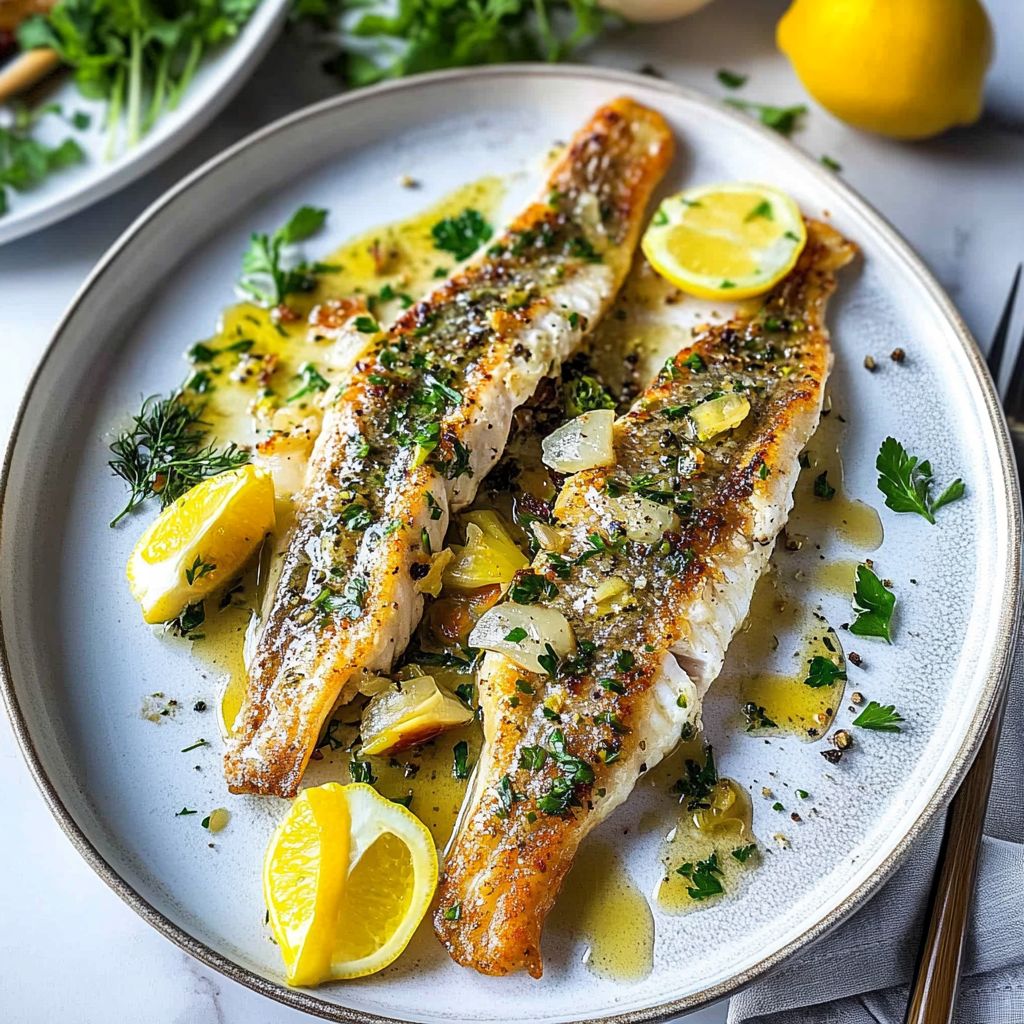
Baking is another popular method, often with simple ingredients like olive oil, lemon, garlic, and fresh herbs. Pan-searing fillets is also common, especially when a quicker cooking time is needed. Because the flavor of branzino fish is mild, it works well with light sauces and fresh vegetables.
The reason branzino is often cooked whole is that it enhances both flavor and presentation. Cooking the fish with the bones and skin helps retain moisture and adds depth to the final dish. The preparation method plays a big role in the final taste, but even simple techniques can produce excellent results.
How to Choose High-Quality Branzino Fish?
Choosing high-quality branzino fish starts with checking its freshness. Fresh branzino should have clear, bright eyes and shiny skin. The flesh should feel firm to the touch and spring back when pressed gently. A clean, mild smell is a good sign, while a strong or sour odor should be avoided.
Size can also be an indicator of quality, depending on how you plan to cook the fish. Smaller branzino is often preferred for whole cooking, while larger fish may be better for fillets. Consistent coloring and intact scales usually suggest proper handling and storage.
When shopping at a fish market or grocery store, it is helpful to ask where the branzino fish comes from and how fresh it is. Reputable sellers are usually happy to share this information. Proper storage on ice and clean display areas are also signs of good quality seafood.
Branzino Fish in Mediterranean Cuisine
Branzino fish holds a special place in Mediterranean cooking. For centuries, it has been prepared in coastal regions where fresh seafood is central to daily life. The focus has always been on simple cooking methods that allow the natural flavor of the fish to shine.
In Italy and Greece, branzino is often roasted with olive oil, lemon, and herbs. In other regions, it may be grilled over an open flame or baked with vegetables. These traditional preparations highlight freshness and balance rather than heavy seasoning.
The reason branzino fish became a staple in coastal areas is its availability and versatility. It could be caught close to shore and cooked easily with local ingredients. Today, it continues to represent the Mediterranean approach to food, which values quality, simplicity, and shared meals.
Is Branzino Fish Sustainable and Safe to Eat?
Sustainability is an important topic when it comes to seafood, and branzino fish is generally considered a responsible choice when sourced properly. Many farmed branzino operations follow strict guidelines to reduce environmental impact and protect surrounding ecosystems. Choosing fish from certified or well-managed farms can support sustainable practices.
Wild-caught branzino is also regulated in many regions to prevent overfishing. Responsible fishing methods help maintain healthy populations and protect marine life. Consumers can look for information about sourcing to make informed choices.
In terms of safety, branzino fish is considered low in mercury compared to larger predatory fish. This makes it a suitable option for regular consumption, including for many people who are advised to limit mercury intake. As with all seafood, moderation and variety are key to a balanced and safe diet.
Conclusion
Branzino fish offers a unique combination of mild flavor, delicate texture, and strong nutritional value. Its Mediterranean roots, simple preparation methods, and wide availability have helped it gain lasting popularity around the world. Whether enjoyed at a restaurant or cooked at home, it provides a satisfying and approachable seafood experience.
With its versatility, health benefits, and cultural significance, branzino fish continues to stand out as a reliable and enjoyable choice. Understanding where it comes from, how it tastes, and how to select and prepare it can help you appreciate this fish even more and enjoy it with confidence as part of a balanced diet.
FAQs
What does branzino fish taste like?
Branzino fish has a mild, clean, and slightly sweet flavor. It’s not fishy, which makes it perfect for people who prefer light seafood.
Is branzino fish healthy?
Yes, branzino fish is rich in protein, omega-3 fatty acids, and essential vitamins. It supports heart health and fits well into balanced diets.
Is branzino fish safe to eat regularly?
Branzino is low in mercury compared to many other fish, making it safe for regular consumption when eaten in moderation.
Is branzino fish better than salmon?
Branzino is lighter and milder than salmon. Salmon has more omega-3 fats, while branzino is lower in calories and easier to digest.
Why is branzino usually cooked whole?
Cooking branzino whole keeps the meat moist, enhances flavor, and preserves its delicate texture.
Disclaimer:
This article is for informational purposes only. Nutritional values and health benefits may vary based on sourcing and preparation methods. Always consult a qualified professional for dietary or health-specific advice.

My name is Mustafa, and I have been blogging for over 5 years. I am passionate about sharing complete, accurate, and helpful information with my readers. Along with managing content on The Matcha Read, I also contribute blog posts to premium websites. My goal is to provide valuable insights in a clear and easy-to-understand way, so every reader walks away with useful knowledge.