Introduction
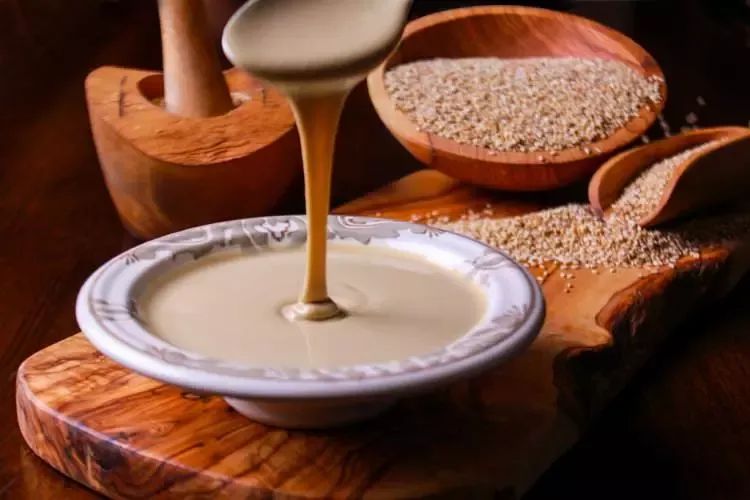
The word tahinle comes from Turkish and simply means “with tahini.” Tahini itself is a smooth paste made from ground sesame seeds, widely used across Middle Eastern, Mediterranean, and Eastern European kitchens. When something is described as tahinle, it signals that tahini is a key part of the dish, shaping both its flavor and texture. Rather than naming a single recipe, tahinle works as a descriptive term that highlights how an ingredient is prepared or finished.
Over time, tahinle has become more than just a cooking note. It represents a style of flavor that people recognize and seek out. As global food culture becomes more connected, words like tahinle travel beyond their original language and enter everyday food conversations. Today, you may see tahinle used in menus, blogs, or home kitchens to describe foods that feel rich, comforting, and deeply rooted in tradition, yet still easy to enjoy in modern meals.
Tahinle as a Culinary Concept
Tahinle functions as a culinary idea rather than a fixed dish. When a food is prepared tahinle, tahini is not a background ingredient. It plays a visible and noticeable role in the final result. This might mean a sauce, a topping, or a blended component that defines how the food tastes and feels.
What makes tahinle distinct from similar terms is its simplicity. It does not suggest heavy seasoning or complex techniques. Instead, it focuses on the presence of tahini as the main flavor partner. In this way, tahinle communicates both method and expectation. You know that the dish will carry the nutty depth of sesame and a smooth, often creamy character. This clarity is why the term remains useful and meaningful in both traditional and modern cooking.
The Flavor Profile of Tahinle
Foods described as tahinle tend to share a recognizable flavor profile. Tahini has a mild bitterness balanced by natural richness, which gives tahinle dishes a deep and satisfying taste without being overwhelming. The sesame flavor is earthy and warm, often rounding out sharper or sweeter elements in the food.
Texture also plays an important role. Tahinle foods often feel smooth and full on the palate. Even when used in small amounts, tahini adds body and softness. This combination of gentle bitterness, nutty warmth, and creamy texture creates a sensory experience that many people find comforting and familiar. It is one reason tahinle-based foods work well across different types of meals.
Traditional Roots and Cultural Significance
The use of tahini stretches back centuries, especially in regions where sesame seeds were widely grown and valued. In Turkish cuisine, the word tahinle reflects a long-standing habit of describing foods by how they are finished or paired. Rather than inventing new names, cooks relied on simple language to explain what made a dish special.
Tahinle became part of everyday speech because tahini itself was a common household ingredient. It appeared in both sweet and savory contexts, often linked to family meals and seasonal eating. Over time, the term gained cultural weight, representing comfort, familiarity, and a connection to shared food traditions. Even today, tahinle carries this sense of heritage, reminding people of home-style cooking and regional identity.
Popular Foods Commonly Made Tahinle
Tahinle is most often associated with foods that benefit from added richness and balance. It appears frequently in dishes where dryness, sharpness, or sweetness needs a softer counterpoint. In these cases, tahini acts as a unifying element that brings the components together.
Across different food categories, tahinle is used in both everyday meals and special treats. It fits naturally into baked goods, vegetable-based dishes, and grain-focused foods. The common thread is not the type of dish, but the role tahini plays in improving texture and depth. This flexibility explains why tahinle remains relevant across generations and cooking styles.
Why Tahinle Works So Well in Modern Cooking?
Modern cooking often values versatility, simplicity, and strong but balanced flavors. Tahinle fits perfectly into this approach. Tahini pairs well with many ingredients without overpowering them, which makes it easy to adapt to different tastes and dietary preferences.
Another reason tahinle works well today is its ability to bridge traditions. It feels authentic and rooted in history, yet it blends easily into contemporary meals. Home cooks and professionals alike appreciate ingredients that can move between cuisines and meal types. Tahinle supports this movement by offering a familiar flavor that still feels fresh when used creatively.
Nutritional Perspective of Tahinle-Based Foods
From a nutritional point of view, tahinle-based foods often bring added value to a meal. Tahini is made from sesame seeds, which naturally contain healthy fats, plant-based protein, and essential minerals. When used thoughtfully, it can make dishes more filling and satisfying.
That said, balance is important. Tahini is rich, so tahinle foods are best enjoyed as part of a varied diet. Its nutritional contribution lies in its ability to enhance meals without relying on artificial additives or heavy processing. This natural richness is one reason tahinle continues to appeal to people who value both flavor and mindful eating.
How Tahinle Is Used Across Different Cuisines?
Although the word tahinle is Turkish, the idea behind it appears in many cuisines. As tahini spread across regions through trade and migration, cooks adopted it into their own food traditions. While the language may change, the concept stays the same: using sesame paste to add richness, balance, and depth.
In some cuisines, tahinle-style preparations lean toward savory dishes, while in others they appear more often in sweets. This adaptability shows how tahini responds to local tastes and ingredients. Tahinle, as a concept, reflects this shared culinary understanding, even when the term itself is not translated directly.
Conclusion
Tahinle is a simple word with a rich meaning. It describes more than the presence of tahini in a dish; it reflects a way of thinking about flavor, texture, and balance. Rooted in tradition yet flexible enough for modern kitchens, tahinle continues to hold a clear place in food culture.
By understanding what tahinle means and how it is used, cooks and readers can better appreciate the role of tahini in everyday meals. Its lasting appeal comes from its honesty and simplicity, offering depth without complexity and tradition without limitation.
FAQs
What does tahinle mean in English?
Tahinle means “with tahini.” It refers to foods that include tahini as a noticeable and important ingredient.
Is tahinle a dish or an ingredient?
Tahinle is not a dish. It is a descriptive term used to explain how a food is prepared or flavored using tahini.
Is tahinle always savory?
No. Tahinle can be used for both sweet and savory foods, depending on how the tahini is combined with other ingredients.
Does tahinle mean the same as tahini?
Not exactly. Tahini is the ingredient, while tahinle describes food that is made or served with tahini.
Where is the word tahinle commonly used?
Tahinle is commonly used in Turkish cuisine and food descriptions, but the concept appears across many cultures that use tahini.

My name is Mustafa, and I have been blogging for over 5 years. I am passionate about sharing complete, accurate, and helpful information with my readers. Along with managing content on The Matcha Read, I also contribute blog posts to premium websites. My goal is to provide valuable insights in a clear and easy-to-understand way, so every reader walks away with useful knowledge.