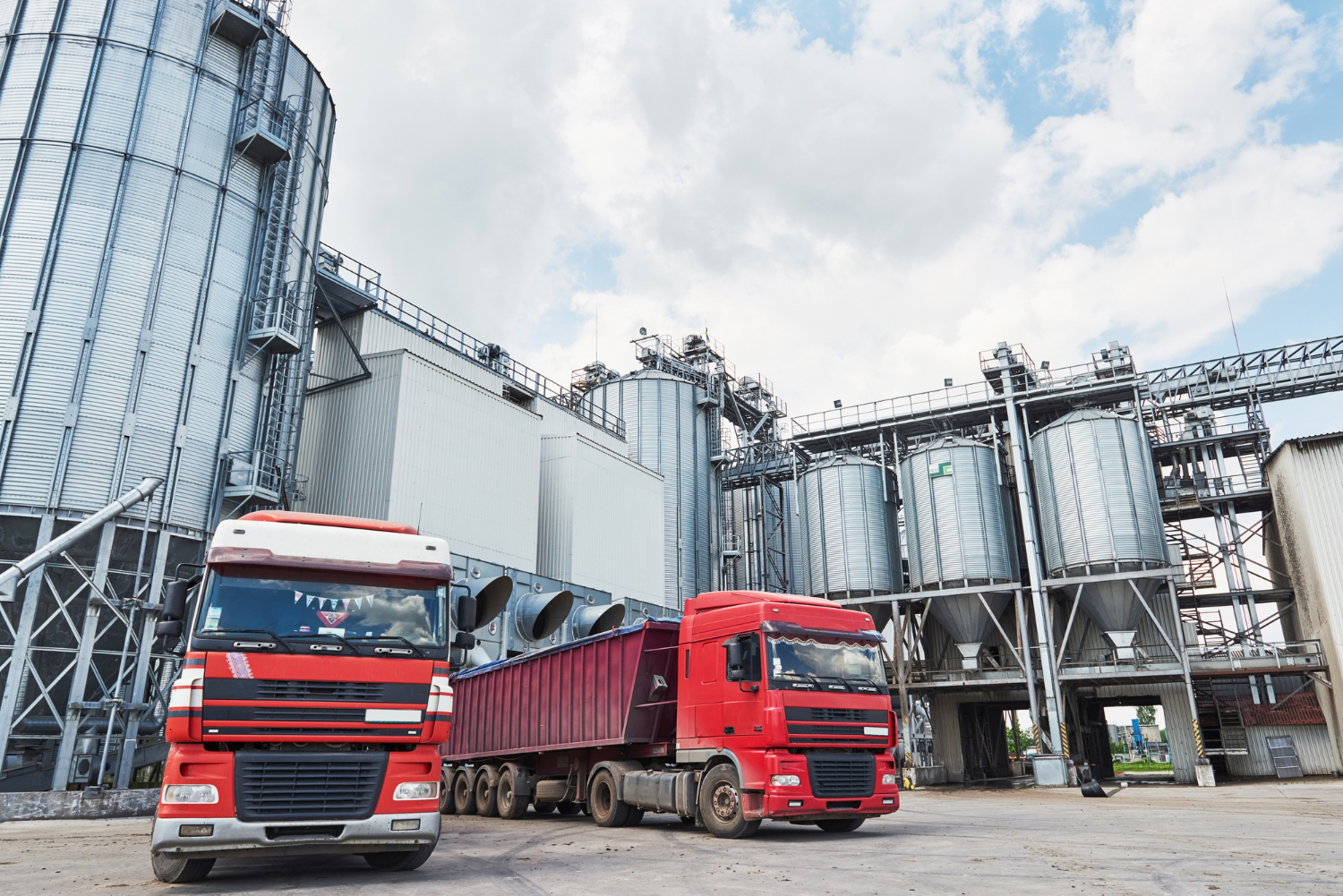
When people think about the movement of goods in Venezuela, it is easy to picture trucks on highways carrying everything from food to construction materials. One of the most important vehicles in this chain is the camión de carga seca a granel. This type of truck is specifically designed to carry large volumes of dry cargo, and in a country like Venezuela—where agriculture, industry, and trade are vital to everyday life—it plays a central role in keeping the economy moving.
In simple terms, a camión de carga seca a granel in Venezuela is more than just a truck. It is a tool that connects farmers with markets, industries with raw materials, and consumers with the products they need. Its importance lies not only in what it carries but in how it ensures supply chains function in a challenging economic environment.
This article explores what these trucks are, why they matter, and how they shape Venezuela’s logistics sector.
What Is a Camión de Carga Seca a Granel?
A camión de carga seca a granel is a truck built for transporting bulk dry goods. The word seca refers to goods that are not liquid or perishable, and a granel means in bulk, without packaging. Imagine grains such as corn or rice, powdered cement, or even minerals like coal—these products are often loaded directly into the truck’s cargo area.
Unlike refrigerated trucks that handle perishable food, or container trucks that carry packaged items, camiones de carga seca a granel focus on raw, unpackaged goods. Their design allows for efficient loading and unloading, often using conveyors, hoppers, or other systems to move the cargo. This specialization makes them essential for industries that rely on moving large, heavy, and unpackaged goods from one point to another.
What sets them apart is their ability to maximize space. Because products are carried loose, these trucks can transport larger quantities compared to conventional packaging-based shipping. For countries like Venezuela, where large volumes of agricultural and industrial products are moved daily, this makes them a preferred solution.
Main Uses of Camiones de Carga Seca a Granel in Venezuela
The uses of camiones de carga seca a granel in Venezuela are deeply tied to the country’s main economic sectors. Agriculture, construction, food distribution, and domestic trade all depend on this type of transportation.
In agriculture, these trucks are crucial for moving harvested crops like corn, coffee beans, rice, or soybeans from farms to storage facilities, markets, and ports. Without this transport system, farmers would struggle to distribute their products efficiently, leading to waste and economic loss.
In construction, bulk materials such as sand, cement, and gravel are fundamental. These trucks move raw materials from extraction sites or warehouses directly to building projects, ensuring that development in cities and rural areas can continue.
Food distribution also depends heavily on this type of transport. Products like flour or sugar, which are processed in bulk before being packaged, must first be transported in large quantities. Here, the camión de carga seca a granel ensures factories and suppliers have what they need to keep supermarket shelves stocked.
Finally, in domestic trade and logistics, these trucks connect industries and communities. From small towns to major cities, they act as lifelines for goods, ensuring that supply meets demand.
Types of Dry Bulk Cargo Commonly Transported
When we talk about dry bulk cargo in Venezuela, several categories come to mind. Agricultural products like grains, seeds, and legumes are among the most common. These goods are seasonal but often require quick and efficient movement to prevent spoilage in storage.
Another key category is construction materials. Cement, sand, limestone, and aggregates are indispensable for building and infrastructure projects. Transporting them in bulk is more cost-effective and practical, especially in large-scale projects.
Industrial minerals also form a large portion of the cargo. This includes coal, bauxite, and other raw materials used in manufacturing and energy. Fertilizers, which are essential for agricultural production, are another product commonly moved in bulk.
Each type of cargo requires careful handling to avoid losses. For example, grain can be damaged by moisture, while cement must be protected from exposure to air. The design and operation of camiones de carga seca a granel in Venezuela take these factors into account, making them versatile across industries.
The Role of Bulk Dry Cargo Transport in Venezuela’s Economy
The camión de carga seca a granel Venezuela is more than a vehicle—it is a driver of economic activity. Venezuela has a complex supply chain system that depends on moving goods quickly and efficiently. From rural farms to urban centers, these trucks are the invisible link that keeps trade flowing.
In agriculture, they allow farmers to bring products to market on time, ensuring food availability and price stability. In industry, they support production by supplying raw materials where they are needed most. For construction, they make large-scale projects possible by enabling bulk deliveries of heavy materials.
Beyond individual sectors, the presence of reliable dry bulk transport strengthens national trade. It makes it easier for companies to operate, reduces delays in supply chains, and encourages economic activity even in challenging conditions. In essence, the role of these trucks is to keep Venezuela’s logistics system alive and functioning.
Challenges of Bulk Dry Cargo Transport in Venezuela
While camiones de carga seca a granel are indispensable, operating them in Venezuela comes with challenges. One of the biggest issues is the condition of roads and highways. Poor infrastructure can slow deliveries, damage vehicles, and increase operating costs.
Fuel availability is another major challenge. In a country where fuel shortages are common, keeping trucks on the road is not always guaranteed. This adds uncertainty to logistics planning and increases costs for both operators and clients.
Regulations and bureaucracy also play a role. Transporting goods often involves paperwork, permits, and inspections that can delay shipments. When combined with high operating costs, these challenges make logistics more complex than in many other countries.
Despite these difficulties, the demand for bulk dry cargo transport remains high, and companies continue to adapt with creative solutions to keep goods moving.
Accessing Bulk Dry Cargo Trucking Services
For businesses and individuals in Venezuela, accessing camiones de carga seca a granel is possible through transport companies, logistics cooperatives, or independent truck operators. Many companies specialize in agricultural or industrial transport, offering tailored solutions depending on the type of cargo.
When hiring a service, factors such as reliability, safety, and cost must be considered. A good provider ensures timely deliveries, maintains its vehicles properly, and complies with regulations. Clients often look for operators with experience in handling specific types of cargo, since transporting grains is not the same as moving cement or minerals.
In many cases, contracts are long-term, especially in agriculture and industry. For smaller businesses, hiring services on demand is also common, particularly for seasonal or project-based needs.
Safety and Best Practices in Bulk Transport
Transporting bulk goods requires attention to safety and efficiency. For a camión de carga seca a granel in Venezuela, proper maintenance is key. Trucks must be regularly checked to avoid breakdowns, especially given the challenging road conditions.
Loading practices are another important factor. Cargo must be evenly distributed to avoid accidents, and protective measures must be taken to prevent contamination or loss. For example, covering grain loads helps protect against rain and dust.
Best practices also include training drivers to handle cargo responsibly. From securing the load to driving carefully on uneven roads, human expertise is as important as the truck itself. These practices not only reduce risks but also build trust between transport providers and clients.
Conclusion
The camión de carga seca a granel in Venezuela is more than just a logistics tool—it is a lifeline for the country’s economy. From agriculture to construction and industry, these trucks move the essential goods that sustain everyday life.
While challenges such as poor infrastructure, fuel shortages, and regulatory hurdles exist, the role of bulk dry cargo transport remains fundamental. Without it, supply chains would weaken, industries would slow, and communities would face shortages of essential goods.
Looking ahead, improvements in logistics, road networks, and transport efficiency could strengthen the impact of these trucks even further. For now, they remain an irreplaceable part of Venezuela’s economic fabric, quietly powering the movement of goods that keep the nation going.

My name is Mustafa, and I have been blogging for over 5 years. I am passionate about sharing complete, accurate, and helpful information with my readers. Along with managing content on The Matcha Read, I also contribute blog posts to premium websites. My goal is to provide valuable insights in a clear and easy-to-understand way, so every reader walks away with useful knowledge.