Introduction
Burrata is a fresh Italian cheese known for its creamy, luxurious interior and soft, delicate exterior. Unlike many other cheeses, burrata has a unique texture that combines the smoothness of fresh mozzarella with a rich, creamy center. It has quickly become a favorite among chefs, home cooks, and food enthusiasts for its versatility and indulgent flavor.
Originating from the Puglia region of southern Italy, burrata was traditionally made with the best local ingredients and enjoyed fresh, often within a day of production. Today, its popularity has spread worldwide, appearing on restaurant menus, in gourmet recipes, and in home kitchens.
In this article, you will learn what makes burrata different from other cheeses, how to choose the best quality, proper storage and handling techniques, creative ways to enjoy it, and common mistakes to avoid. Whether you are new to burrata or already a fan, this guide will help you appreciate this cheese to its fullest.
What Makes Burrata Different from Other Cheeses?
Burrata stands out because of its unique combination of textures. The outer layer is made of fresh mozzarella, which is smooth, elastic, and slightly chewy. The inside, called stracciatella, is filled with cream and shredded mozzarella, giving it a soft, flowing consistency that almost melts in your mouth. This contrast between the firm exterior and creamy interior is what makes burrata so special.
The flavor of burrata is mild, slightly sweet, and buttery, which allows it to complement a wide variety of dishes. It pairs beautifully with fresh vegetables, ripe fruits, toasted bread, and even savory meats. Its subtle taste also makes it a versatile ingredient in salads, pastas, pizzas, and appetizers, allowing chefs and home cooks to use it in both simple and sophisticated recipes.
Because of its unique texture and flavor, burrata elevates dishes without overpowering them. Its creamy center creates a luxurious mouthfeel that is unmatched by other fresh cheeses. This versatility is a major reason why burrata has become a go-to choice for both casual meals and gourmet creations.
A Short History of Burrata
Burrata originated in the early 20th century in Puglia, a region in southern Italy known for its rich agricultural tradition and dairy production. Local cheesemakers wanted to find a way to use leftover mozzarella and cream, which led to the creation of this cheese. The name “burrata” comes from the Italian word for butter, “burro,” reflecting its rich, creamy interior.
Traditionally, burrata was handmade, with milk curdled and shaped into mozzarella pouches before being filled with fresh cream and shredded mozzarella. This artisanal process ensured that the cheese was incredibly fresh, flavorful, and delicate. Local farmers would sell it immediately after production, often consuming it the same day to enjoy its full taste and texture.
Over time, burrata gained recognition beyond Puglia and became a culinary sensation across Italy. In recent decades, international chefs and food lovers embraced burrata for its versatility and luxurious texture, spreading it to restaurants and homes around the world. Today, burrata is considered a gourmet cheese and a symbol of fresh, high-quality Italian dairy.
How to Choose the Best Burrata?
Selecting high-quality burrata requires attention to a few key indicators. Freshness is the most important factor. Look for burrata that is soft to the touch but holds its shape. The exterior should be smooth and slightly elastic, while the interior should be creamy and flowing. Any signs of dryness or a tough outer layer may indicate that the cheese is not fresh.
There are also differences between artisanal and store-bought burrata. Artisanal burrata is often handmade, using traditional methods and locally sourced ingredients. It usually has a richer, creamier flavor and softer texture. Store-bought versions may be mass-produced and contain preservatives, which can slightly alter the taste and texture.
When shopping for burrata, reading labels can provide helpful information about its origin and ingredients. Ideally, choose burrata made from cow’s milk, without additives or stabilizers. Fresh burrata will often be sold in water or whey to maintain its moisture and texture. Understanding these details will ensure that you enjoy the full flavor and creamy consistency that burrata is known for.
Storing and Handling Burrata Properly
Burrata is best enjoyed fresh, but proper storage can extend its quality by a few days. Keep it refrigerated at all times and store it in its original liquid if possible. The cheese should be placed in an airtight container to prevent it from absorbing other flavors in the fridge.
Typically, burrata stays fresh for one to two days after purchase, though some artisanal varieties may last slightly longer if handled carefully. To serve burrata at its best, bring it to room temperature for about 20–30 minutes before eating. This allows the creamy center to soften and enhances its flavor.
When handling burrata, avoid cutting or pressing it too early. The delicate interior can spill out, and the texture may be compromised. Serve it gently, using a knife or hands to reveal the creamy center at the moment of consumption. Simple techniques like this ensure that the cheese maintains its luxurious appeal.
Creative Ways to Enjoy Burrata
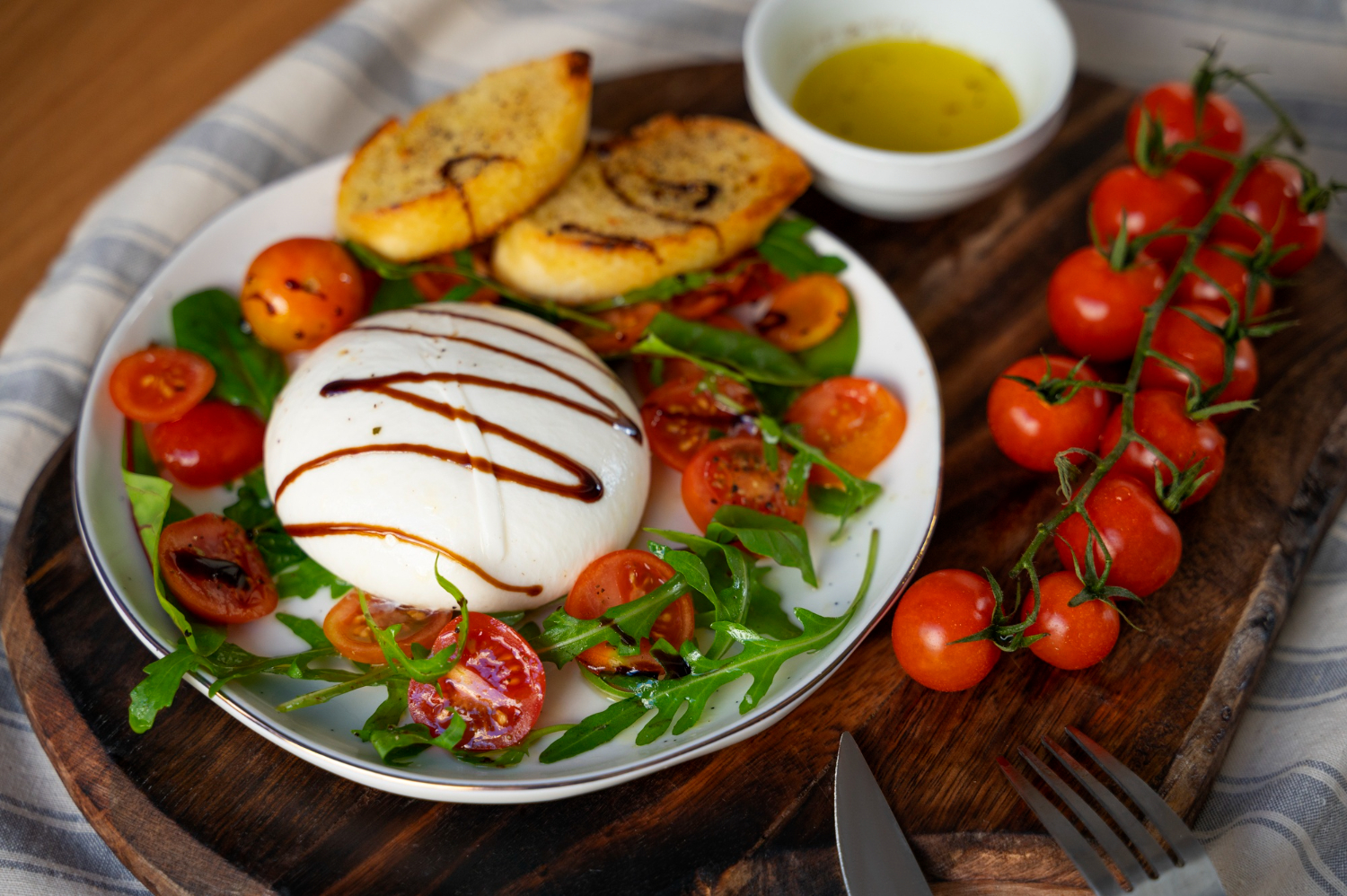
Burrata is incredibly versatile and pairs well with a variety of ingredients. Fresh tomatoes, ripe peaches, or roasted vegetables complement its mild, creamy flavor. Drizzling a touch of olive oil or balsamic vinegar can enhance its richness without overpowering its delicate taste.
In salads, burrata adds a luxurious texture that contrasts with crisp greens and fresh herbs. It can also be used as a topping for pizzas or mixed into warm pasta dishes, where it melts slightly and adds creaminess. For appetizers, serve it with toasted bread, cured meats, or fruit preserves for a simple yet elegant presentation.
Burrata also works beautifully in unexpected dishes. Some chefs incorporate it into soups, risottos, or even desserts, showcasing its ability to adapt to both sweet and savory flavors. By experimenting with different pairings and techniques, burrata can transform everyday meals into memorable culinary experiences.
Common Mistakes to Avoid with Burrata
One of the most common mistakes is overheating burrata. High temperatures can cause the cheese to lose its creamy center and turn rubbery. It is best served fresh, slightly chilled or at room temperature, rather than cooked directly in high heat.
Another mistake is misunderstanding its flavor profile. Burrata is subtle and delicate, so pairing it with overly strong ingredients can mask its natural taste. Instead, opt for fresh, simple accompaniments that allow the cheese to shine.
Improper storage is also a frequent issue. Leaving burrata out too long or storing it without its liquid can dry out the exterior and compromise the texture. Handling it gently and storing it properly ensures that every bite retains the creamy, indulgent experience that makes burrata so special.
Conclusion: The Appeal of Burrata Today
Burrata continues to captivate food lovers around the world thanks to its creamy texture, mild flavor, and culinary versatility. It offers a unique experience that combines the familiar taste of mozzarella with a rich, indulgent center. From salads to pizzas and beyond, burrata can elevate simple dishes and impress even the most discerning palates.
Whether enjoyed fresh from Italy or purchased from local artisanal producers, burrata invites creativity in the kitchen and adds a touch of luxury to everyday meals. By understanding its qualities, storing it carefully, and exploring different pairings, anyone can fully appreciate the charm and indulgence of this exceptional cheese.
FAQs About Burrata
How long does burrata stay fresh?
Fresh burrata lasts 1–2 days in the fridge, ideally kept in its original liquid and an airtight container.
Can I cook burrata?
Burrata is best eaten fresh. Briefly adding it to warm pasta is fine, but high heat can ruin its creamy center.
What’s the difference between burrata and mozzarella?
Burrata has a creamy, buttery center inside a mozzarella shell, while mozzarella is solid throughout and slightly firmer.
How should I store burrata?
Keep it refrigerated, in its original liquid if possible, and consume within 1–2 days. Bring to room temperature before serving.
Can burrata be eaten with sweet dishes?
Yes, it pairs well with fruits like peaches, figs, or berries for a mild, creamy, sweet-savory combination.
Disclaimer:
This article is for informational purposes only. Burrata is a perishable dairy product; always check labels, freshness, and storage instructions before consumption. Individual preferences and dietary restrictions may vary.

My name is Mustafa, and I have been blogging for over 5 years. I am passionate about sharing complete, accurate, and helpful information with my readers. Along with managing content on The Matcha Read, I also contribute blog posts to premium websites. My goal is to provide valuable insights in a clear and easy-to-understand way, so every reader walks away with useful knowledge.