Introduction
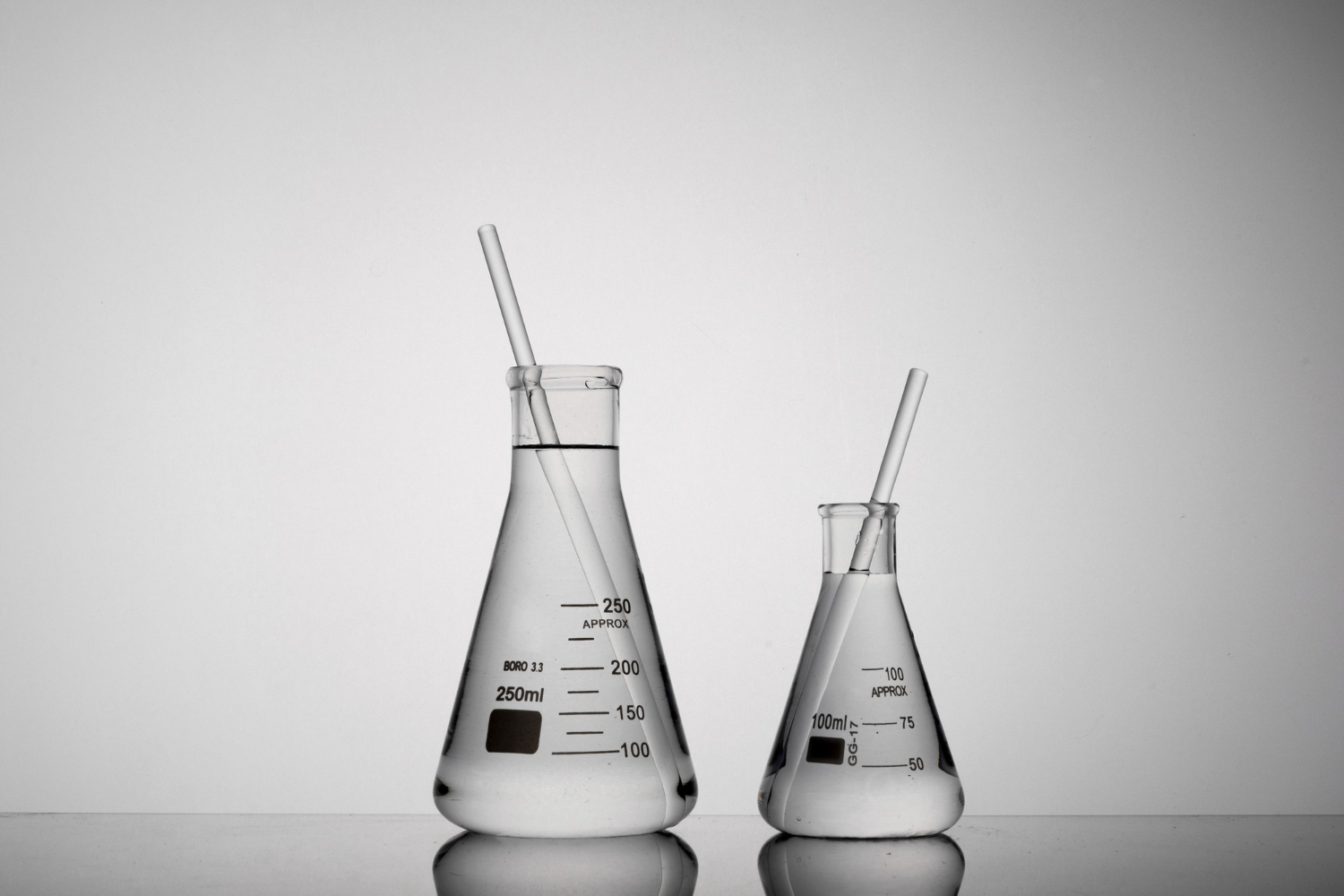
An Erlenmeyer flask is one of the most recognizable pieces of laboratory glassware, known for its wide base, narrow neck, and simple, practical design. It first became popular because its shape makes it easy to swirl liquids without spilling, which is helpful in both basic and advanced experiments. Today, the Erlenmeyer flask appears in school labs, research facilities, biology settings, and even home science projects. Its design makes it a dependable tool for mixing, heating, storing, and observing liquids in a safe and controlled way.
Erlenmeyer Flask Short Overview:
An Erlenmeyer flask is a cone-shaped lab container with a narrow neck and flat base, designed for easy mixing, heating, and storing liquids without spills. It’s widely used in chemistry, biology, and home experiments.
The Distinctive Design of the Erlenmeyer Flask
The classic shape of an Erlenmeyer flask features a broad, flat bottom that provides stability on a lab bench. This connects to a gradually sloping, conical body that narrows into a short neck. Each part of this design contributes to how the flask functions in everyday use.
The conical body helps gather liquids toward the bottom, which makes it easy to mix solutions with a simple swirling motion instead of vigorous stirring. The narrow neck reduces the chance of splashing while limiting the evaporation of liquids during heating. The flat base allows the flask to sit securely on hot plates or lab surfaces, and it also supports even heating. Together, these features create a versatile tool that is practical for a wide range of scientific tasks.
Common Laboratory Uses and Why This Flask Is Preferred
The Erlenmeyer flask is favored for tasks that involve combining liquids, gentle heating, and observing reactions without interference. In many experiments, the flask is used to dissolve solids, prepare solutions, or perform titrations where controlled swirling is important. Its shape naturally guides the liquid into a smooth circular motion, helping substances blend evenly.
In situations where other glassware might cause spills or allow too much evaporation, the Erlenmeyer flask performs especially well. Beakers, for instance, have wide openings that expose liquids to the air, making them less suitable for long periods of heating or mixing. The narrow neck of the Erlenmeyer flask minimizes these issues, allowing experiments to proceed more safely. This combination of reliability and ease of use makes it one of the most frequently reached-for tools in chemistry and biology laboratories.
Quick Comparison Table: Erlenmeyer Flask at a Glance
| Feature | Erlenmeyer Flask | What It Means |
| Shape | Conical body with narrow neck | Easy swirling & reduced spills |
| Stability | Wide flat base | Safe for heating and mixing |
| Heat Use | Great for gentle heating | Even heat distribution |
| Best For | Mixing, culturing, storing | Everyday lab and home experiments |
| Common Sizes | 25 mL–2000 mL | Works for small to large tasks |
Materials, Sizes, and Variations Available
Erlenmeyer flasks come in a variety of materials, each serving a different purpose. Glass versions are the most common because they handle heat well, remain transparent for observation, and resist chemical reactions. Borosilicate glass, in particular, is valued for its strength and ability to withstand temperature changes. Plastic Erlenmeyer flasks are lighter, more affordable, and less fragile, which makes them useful in classrooms or situations where high heat is not required. Some specialty flasks may include reinforced walls, screw-top closures, or sidearms for vacuum filtration.
These flasks are also available in many sizes, ranging from small 25-milliliter versions to large multi-liter containers. Smaller flasks tend to be used for precise experiments or when working with limited samples, while larger flasks allow space for reactions that need room to expand or for cultures that require airflow. The right size depends on the type of experiment and how much solution is needed, but the variety ensures that the Erlenmeyer flask fits almost any laboratory task.
How the Shape Supports Safe Mixing and Heating?
The structure of the Erlenmeyer flask is especially helpful when it comes to mixing and heating liquids. The wide bottom distributes heat evenly when placed on a hot plate or over a flame, which helps prevent sudden boiling or uneven temperature changes. Because the neck is narrow, steam rises through a smaller opening, reducing the chance of splashes or spills. This makes the flask a comfortable choice for heating solutions that need to stay contained.
The conical shape also plays an important role during mixing. A quick swirling motion is usually enough to blend liquids smoothly, reducing the need for stir rods or mechanical mixers. This decreases the risk of contamination and keeps the process simple. In experiments where bubbles form or gases are released, the angled sides help guide those gases upward and out of the flask in a controlled way. These features make the Erlenmeyer flask an inherently safe option during many common laboratory procedures.
Proper Handling, Cleaning, and Maintenance
To keep an Erlenmeyer flask in good condition, it should be handled carefully and cleaned thoroughly after each use. Although the flask is durable, sudden temperature changes or rough handling can still cause cracks. Allowing the flask to cool naturally before washing helps prevent thermal shock. When cleaning, warm water and mild detergent are usually enough to remove most residues, and brushes can help reach into the narrow neck if necessary.
Safety is also important during use and storage. Flasks should always be checked for chips or small fractures before they are heated, since weakened glass can break unexpectedly. Keeping them organized and stored upright reduces the risk of impact damage. When chemicals are left in the flask for longer periods, they should be labeled clearly and sealed with the appropriate stopper or cap. With simple habits like these, an Erlenmeyer flask can remain reliable for years of scientific work.
How the Erlenmeyer Flask Compares to Other Laboratory Flasks?
Different types of flasks serve different purposes, and understanding these differences can help in choosing the right tool. A beaker, for example, has a wide opening and straight sides, which make it ideal for stirring but less suitable for heating or swirling. A Florence flask has a round body that distributes heat evenly but is less stable on flat surfaces. Volumetric flasks are designed for precise measurements, so they are excellent for preparing accurate solutions but not well suited for heating or general mixing.
The Erlenmeyer flask sits comfortably between these options. It offers more stability than a Florence flask, more control than a beaker, and more versatility than a volumetric flask. Its design supports both everyday mixing tasks and gentle heating, making it a practical choice for situations where precision tools or specialized equipment might not be necessary. This balance of convenience and function explains why the Erlenmeyer flask remains a go-to piece of laboratory equipment.
Modern Applications Beyond Traditional Chemistry Labs
While the Erlenmeyer flask has long been associated with chemistry labs, it is now used in many other settings. In biology, it plays a key role in culturing cells, growing microorganisms, and preparing media because its shape promotes airflow and even nutrient distribution. In education, the flask is used to demonstrate basic scientific principles, allowing students to observe reactions safely and clearly.
Beyond professional laboratories, the Erlenmeyer flask has become popular in home settings for tasks such as fermentation and DIY science projects. Many hobbyists use it for brewing kombucha, making natural yeast starters, or experimenting with household-friendly chemistry. Its simple design and clear visibility make it easy to track progress and identify changes in mixtures. Whether used at home or in advanced research, the Erlenmeyer flask adapts well to a surprising range of modern applications.
Conclusion
The Erlenmeyer flask remains an essential tool across scientific fields because of its practical shape, dependable design, and wide range of uses. Its conical body, narrow neck, and stable base make it ideal for mixing, heating, observing, and storing liquids safely. Whether in a classroom, a research lab, or a home science project, the Erlenmeyer flask offers a balance of reliability and simplicity that continues to support everyday experimentation. Its durable construction, versatility, and user-friendly features ensure that it will remain a staple of laboratory work for many years to come.
FAQs
What is an Erlenmeyer flask used for?
It’s used for mixing, heating, storing, and observing liquids in scientific experiments. Its shape makes swirling easy and reduces accidental spills.
Why is the Erlenmeyer flask cone-shaped?
The conical shape helps guide liquids downward, improves mixing, and keeps splashing to a minimum during experiments.
Can you heat an Erlenmeyer flask?
Yes, most glass Erlenmeyer flasks can be heated gently on a hot plate or flame. Plastic versions are not suitable for high heat.
What sizes do Erlenmeyer flasks come in?
They range from very small (25 mL) to several liters, depending on how much liquid your experiment requires.
How is an Erlenmeyer flask different from a beaker?
A beaker has a wide opening and straight sides, while an Erlenmeyer flask has a narrow neck and cone shape that reduces spills and evaporation.
Disclaimer:
This article is for educational purposes only. Always follow your laboratory’s safety guidelines and use appropriate protective equipment when handling chemicals or scientific tools like the Erlenmeyer flask.

My name is Mustafa, and I have been blogging for over 5 years. I am passionate about sharing complete, accurate, and helpful information with my readers. Along with managing content on The Matcha Read, I also contribute blog posts to premium websites. My goal is to provide valuable insights in a clear and easy-to-understand way, so every reader walks away with useful knowledge.