If you’ve been seeing freeze dried candy on TikTok or hearing preppers rave about 25-year shelf life meals, you’ve probably wondered what a freeze dryer actually does. Is it just a fancy dehydrator? Is a home freeze dryer machine worth the money?
Here’s the thing: a freeze dryer can be an amazing tool for food storage, but it’s not for everyone. In this guide, we’ll walk through how it works, what it’s good at, and how to decide if it really fits your life and budget.
Snippet-Ready Definition :
A freeze dryer removes moisture from food by freezing it and using a vacuum to turn ice into vapor. The result is lightweight, shelf-stable food that keeps its flavor, texture, and nutrients for years.
What Is A Freeze Dryer?
A freeze dryer is a machine that removes water from food (or other materials) by freezing it and then pulling the moisture out as vapor instead of liquid. The big word for this is lyophilization, but you don’t need to remember that to understand the basics.
In simple terms: the food goes in, it gets frozen solid, a strong vacuum turns the ice straight into vapor, and you’re left with food that is dry, super light, and surprisingly close in flavor and shape to the original. Because the final moisture is very low, properly stored freeze dried food can last many years.
You’ll see different names like freeze dryer machine, lyophilizer, home freeze dryer, or freeze dryer machine for home, but they all point to the same core idea – freeze first, then dry using a vacuum.
Quick Comparison Table: Freeze Dryer vs Dehydrator
| Feature | Freeze Dryer | Dehydrator |
| Drying Method | Freezing + vacuum sublimation | Warm airflow |
| Food Quality | Retains shape, flavor, nutrients | Slight nutrient & texture loss |
| Shelf Life | 10–25+ years with proper storage | 6 months–1 year |
| Best For | Meals, fruits, vegetables, candy, long-term storage | Snacks, jerky, herbs |
| Cost | High | Low |
| Texture | Crispy, airy, rehydrates fast | Chewy or leathery |
How A Freeze Dryer Works Step By Step?
Before we get into types and buying decisions, it helps to understand the basic process. Once you get this, a lot of things like cost, time, and food quality suddenly make sense.
At a high level, every freeze dryer runs through three main phases: deep freezing, primary drying, and secondary drying. In a home unit, this all happens automatically after you press start, but under the hood it’s a pretty clever process.
Step 1 – Deep Freezing The Food
First, the machine freezes your food to a very low temperature. You can think of it like turning everything into a block of ice, but without turning it into a mushy mess.
A handy tip: if you pre-freeze your food on trays in your kitchen freezer before loading the machine, you can shorten cycle time and get more even results. Smaller, uniform pieces also freeze and dry more consistently, whether you’re doing fruit, leftovers, or meat.
Step 2 – Primary Drying Through Sublimation
After freezing, the vacuum pump kicks in. The machine lowers the pressure and applies gentle heat. Because of that low pressure, the ice doesn’t melt into water. It jumps straight from solid to vapor. That jump is called sublimation.
This is where most of the water leaves the food. The vapor travels to a very cold surface called the condenser, where it re-freezes as ice. The big advantage of this method is that the food keeps much more of its shape, color, and flavor compared to typical hot-air drying.
Step 3 – Secondary Drying For Extra Low Moisture
In the last stage, the machine slightly raises the temperature to remove the stubborn, “bound” water molecules still clinging to the food. This fine-tuning step is what gives freeze dried food its ultra long shelf life.
If this phase is too short, your food might feel dry on the outside but still hold hidden moisture inside, which can shorten shelf life and cause problems in storage. That’s why some people choose to extend the dry time for dense foods like meat or thick casseroles.
Main Types Of Freeze Dryers And Where They Are Used
Not all freeze dryers are huge industrial machines. These days you’ll find everything from compact home freeze dryers to massive commercial systems used for coffee and pharmaceuticals.
Home Freeze Dryer Machines For Personal Use
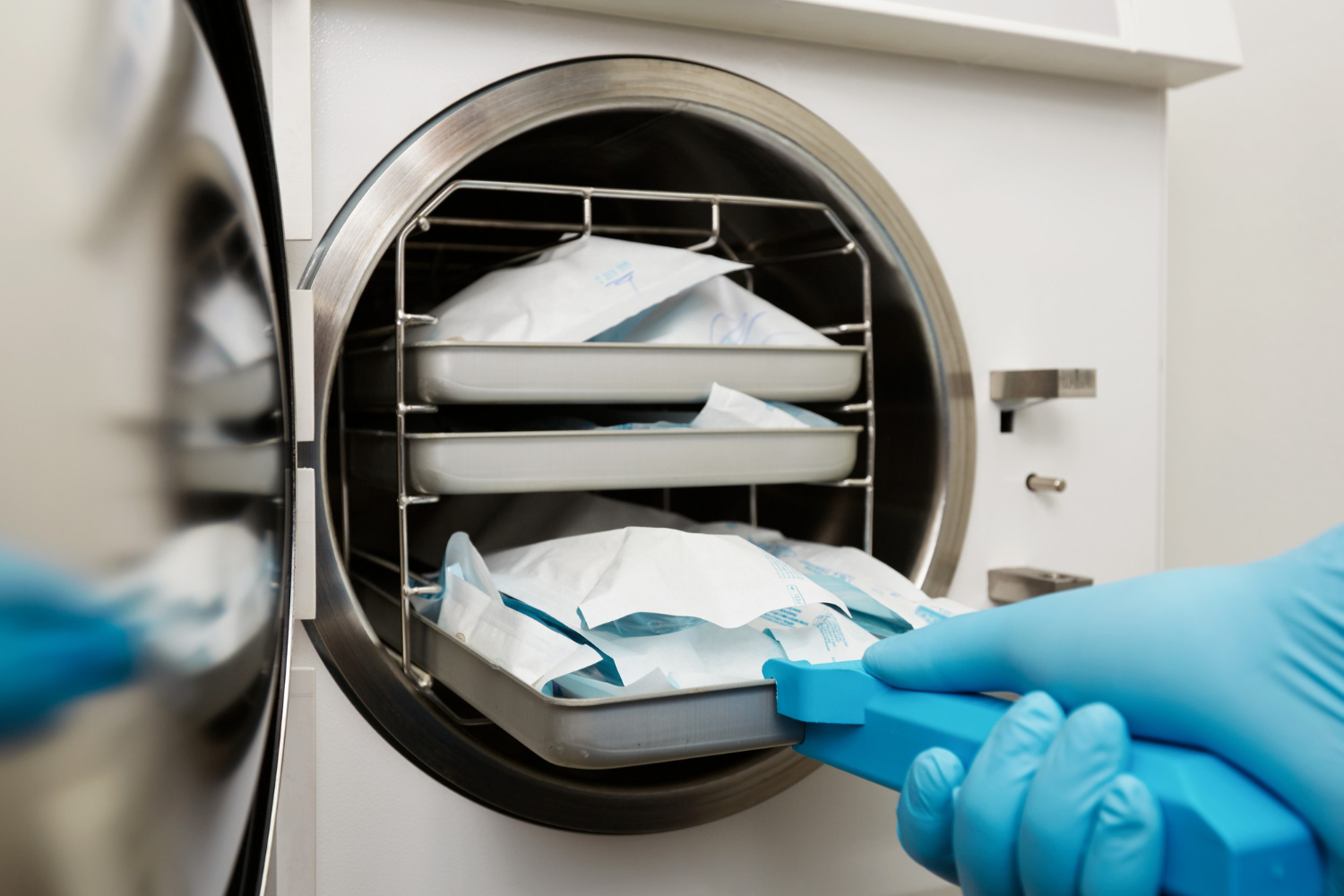
Home units are designed for garages, basements, or utility rooms. They usually have a few stainless steel trays and a vacuum pump. People use them for:
- Garden produce like tomatoes, berries, or herbs
- Cooked meals and leftovers
- Emergency food storage
- Fun experiments like freeze dried candy
You’ll often see brands like Harvest Right freeze dryer when you search for “best home freeze dryer” or check freeze dryer Amazon listings. These machines aren’t cheap, but for serious homesteaders or preppers, they can pay off over time.
Commercial And Industrial Freeze Dryers
Larger commercial freeze dryers handle big batches and run in factories. They’re used for things like instant coffee, backpacking meals, military rations, and high value food ingredients.
These machines are custom built, highly automated, and cost far more than any home unit. If you’ve ever eaten a ready-to-eat camping meal that rehydrated in minutes, there’s a good chance a commercial freeze dryer was involved.
Lab, Pharma, And Specialty Freeze Dryers
Smaller, high precision freeze dryers are also used in labs and pharmaceutical production. There, the priority is exact control and consistent results rather than big capacity.
High end restaurants and creative chefs sometimes use compact lab-style units to develop unique textures, powders, and garnishes that aren’t possible with regular cooking techniques.
Inside The Machine: Basic Parts Of A Freeze Dryer
Even though a freeze dryer looks like a single box from the outside, it’s really a combination of a powerful freezer and a controlled vacuum system working together.
Most units include:
- A chamber where your trays sit
- Shelves or trays to spread food in thin layers
- A condenser that traps water vapor as ice
- A vacuum pump that pulls pressure down
- Sensors and a control panel that manage time, temperature, and pressure
Here’s the thing: the pump and condenser are the heart of the system. They’re also the parts that need the most attention. Regular maintenance, like changing pump oil where needed, can dramatically extend the life of your freeze dryer machine.
Freeze Dryer Vs Dehydrator: Which One Makes More Sense For You?
People often compare freeze dryer vs dehydrator and wonder if they can just stick with a basic dehydrator instead. Sometimes the dehydrator really is the better choice, and that’s okay.
A food dehydrator uses warm air to slowly remove water. It’s cheaper, simpler, and perfect for things like dried apple chips, jerky, or herbs. But it usually leaves more moisture behind, which means shorter shelf life and a different texture.
A freeze dryer uses freezing plus vacuum. It creates food that’s:
- Much drier
- Often lighter and crispier
- Faster to rehydrate
- Better at keeping shape, flavor, and nutrients
If your goal is long term storage, lightweight backpacking meals, or maximum quality, a freeze dryer wins. If you just want some casual snack drying, food dehydrators might be more than enough.
What You Can Freeze Dry At Home?
The fun part starts when you realize how many things you can put through a freeze dryer machine for home.
Popular choices include:
- Fruits and vegetables – berries, bananas, peas, corn, tomatoes
- Cooked meals and leftovers – soups, stews, pasta dishes, casseroles
- Meats and proteins – cooked chicken, beef, eggs, beans
- Dairy – cheese, yogurt drops, ice cream bites
On top of that, many people test special diet meals, gluten free recipes, or kid friendly snacks. Over time, you learn which foods dry quickly, which need longer cycles, and which just aren’t worth the trouble.
Freeze Dried Candy: Trend, Fun Ideas, And Safety Tips
You’ve probably seen videos of candy exploding into crunchy, puffy pieces in a freeze dryer. Freeze dried candy has become its own little niche, and some people even buy a freeze dryer for candy as a side hustle.
Candy with air pockets or certain textures reacts in a dramatic way. Think:
- Chewy gummies
- Taffy style sweets
- Marshmallows
- Some chocolates or coated candies
Guess what: just because it’s candy doesn’t mean you can ignore storage. If you’re selling or sharing freeze dried candy, you still need clean handling, proper packaging, and clear labeling for allergens. Treat it like real food, not just a fun experiment.
Key Benefits Of Using A Freeze Dryer Machine
So why do people love their home freeze dryers once they get past the price tag?
First, shelf life. Properly packed food can last many years in cool, dry conditions. That’s why preppers and emergency planners love a good home freeze dryer setup.
Second, quality. Because the process uses low temperatures, flavor, color, and nutrition stay surprisingly close to fresh, especially compared to some high heat methods. The best part is, when you add water back, soups, stews, and many veggies bounce back to something very close to their original texture.
Finally, flexibility. You’re not limited to pre-made products. You can freeze dry your own recipes, leftover meals, garden harvests, and favorite snacks, which gives you control over ingredients, salt, and additives.
Downsides, Costs, And Limitations You Should Know
Now let’s be honest. A freeze dryer is not a magic box that solves everything.
The obvious downside is cost. Even an entry level freeze dryer for sale is a serious investment compared to a dehydrator. There’s also power usage, pump maintenance, and the need for storage space.
Each batch can take many hours, sometimes overnight or longer. If you’re only doing small amounts of food occasionally, the machine might sit idle most of the time. Also, some foods with very high fat or oil content don’t freeze dry well, so there are limits to what you can do.
If you go in with realistic expectations, though, these downsides are manageable. If you buy purely on impulse, you might end up feeling like you bought a very expensive metal box.
How To Use A Home Freeze Dryer Step By Step?
Using a freeze dryer machine for home isn’t hard, but there is a learning curve. Here’s a simple flow you can follow.
First, prep your food. Cut it into even pieces, pre cook meats for safety, and cool things down before loading. Many owners pre-freeze trays to shorten the cycle and improve texture.
Then, load the trays in the machine, choose the appropriate settings, and start the cycle. When the machine says it’s done, don’t be afraid to test a few pieces. If anything still feels cool and gummy inside, add extra dry time. Once you’re happy, package the food right away in Mylar bags or jars, ideally with oxygen absorbers.
Storing Freeze Dried Food For Maximum Shelf Life
Good storage is half the game. Even perfect drying can’t save food that’s stored badly.
Most people use:
- Mylar bags with oxygen absorbers
- Mason jars for shorter term storage
- Food grade buckets for bulk
Keep your food in a cool, dark place. Heat, light, and moisture are the enemies here. Label each package with the date and contents so you don’t end up with mystery meals.
If you do it right, you’ll have a neat shelf of lightweight, ready to eat or ready to rehydrate meals and snacks, instead of random bags stuffed in the freezer.
Safety, Food Quality, And Common Mistakes To Avoid
Food safety still matters in freeze drying. A freeze dryer isn’t a magic sterilizer. If you put unsafe food in, you won’t get safe food out.
A few common mistakes:
- Overloading trays so food can’t dry evenly
- Under drying dense foods like meat or big chunks of fruit
- Storing food in thin plastic bags without oxygen absorbers
- Leaving packaged food in hot garages or sunny spots
Here’s the thing: if something smells off, looks strange, or has obvious moisture or mold, don’t risk it. Toss it. Losing one batch is better than getting sick.
Buying Guide: Choosing The Right Freeze Dryer For Home Use
If you’re seriously considering a freeze dryer machine for your house, think about your goals before looking at shiny pictures and reviews.
Ask yourself:
- How much food do you want to process per month
- Where will you put the machine and how will you deal with noise and heat
- What’s your realistic budget for the unit plus accessories
Check details like tray size, pump type, warranty, and availability of spare parts. Some people prefer to buy new; others look for a used or refurbished freeze dryer for sale to save money. You’ll also find options on freeze dryer Amazon and from direct manufacturers, so compare support and not just price.
Freeze Dryer For Sale Vs DIY Freeze Dryer
Every now and then, you’ll see plans for a diy freeze dryer floating around the internet. The idea is tempting: build your own and save a ton of money.
But here’s the reality: a safe, reliable freeze dryer needs a strong vacuum, a powerful cold trap, and proper safety controls. That’s not trivial hardware. One small leak, miswired component, or mistake in pressure control can cause damage or safety issues.
If you’re a serious engineer or just experimenting with small, non-food projects, a DIY setup might be a fun challenge. If your goal is safe, long term food storage for your family, a commercial home freeze dryer is almost always the better option.
Who A Freeze Dryer Is Best For?
A freeze dryer isn’t a “everyone must have this” kitchen appliance like a kettle or toaster. It shines for specific types of people.
It’s great for:
- Gardeners and homesteaders with big harvests
- Preppers and emergency planners building serious food stores
- Hikers and campers who want custom lightweight meals
- Small food or freeze dried candy businesses testing ideas
If you just want occasional dried fruit and some jerky, you might be perfectly happy with a good dehydrator. And that’s totally fine. The key is matching the tool to your lifestyle, not forcing it just because it’s trendy.
Real World Freeze Dryer Tips From Long Term Users
Talk to anyone who’s owned a home freeze dryer for a while, and you’ll hear similar advice.
They’ll say: start simple. Try fruit, cooked vegetables, and basic meals before you jump into tricky things. Learn how your specific machine behaves. Every unit has its own quirks.
They also learn how to manage noise and heat by placing the machine in a garage, utility room, or corner of the basement. Regular maintenance, especially on the vacuum pump, becomes part of the routine, just like changing oil in a car. Over time, running a batch becomes second nature, and they build a personal rhythm of freezing, drying, and storing.
Conclusion: Is A Freeze Dryer Worth It For You?
So, should you buy a freeze dryer?
If you’re serious about long term food storage, you grow or buy food in bulk, or you want full control over your backpacking or emergency meals, a home freeze dryer can be a powerful tool. It lets you turn everyday meals and harvests into shelf stable, lightweight food that’s ready when you are.
On the other hand, if your kitchen is small, your budget is tight, or you only want occasional snacks, stick with simpler methods like canning or a good dehydrator. You don’t have to own a freeze dryer to be “doing it right.”
The best part is, now you understand what a freeze dryer actually does, how it works, and where it truly shines. From here, you can make a calm, informed decision instead of a quick impulse buy. And that alone already puts you ahead of most people scrolling past viral freeze dried candy videos.
FAQs
How long does freeze dried food last?
With proper drying and good storage in Mylar bags with oxygen absorbers, many foods can last 10 to 25 years in cool conditions. High fat foods usually have a shorter shelf life.
Is a freeze dryer better than a dehydrator?
It depends on your goal. For long term storage, lightweight meals, and quality, a freeze dryer wins. For simple snacks and low cost, a dehydrator is usually enough.
Can I use a freeze dryer only for candy?
You can, and some folks buy a freeze dryer for candy and nothing else. Just remember it’s still an expensive machine, so it makes more sense if you’re selling candy or using it for other foods too.
Can I safely freeze dry meat and dairy at home?
Yes, but you should follow safe recipes, fully cook meat first, and make sure items are thoroughly dried and properly stored. When in doubt, research specific food safety guidelines.
How much does it cost to run a batch?
Costs vary by machine size, local electricity rates, and batch length. It’s not free, but many users feel that the convenience, shelf life, and reduced food waste make it worth it over time.
Disclaimer:
This article is for educational and informational purposes only. It should not replace professional food safety guidance. Always follow manufacturer instructions, recommended storage practices, and local food safety regulations when using a freeze dryer. The information provided is based on general research and personal experience but may vary depending on your specific machine, environment, and food type.

My name is Mustafa, and I have been blogging for over 5 years. I am passionate about sharing complete, accurate, and helpful information with my readers. Along with managing content on The Matcha Read, I also contribute blog posts to premium websites. My goal is to provide valuable insights in a clear and easy-to-understand way, so every reader walks away with useful knowledge.