Introduction
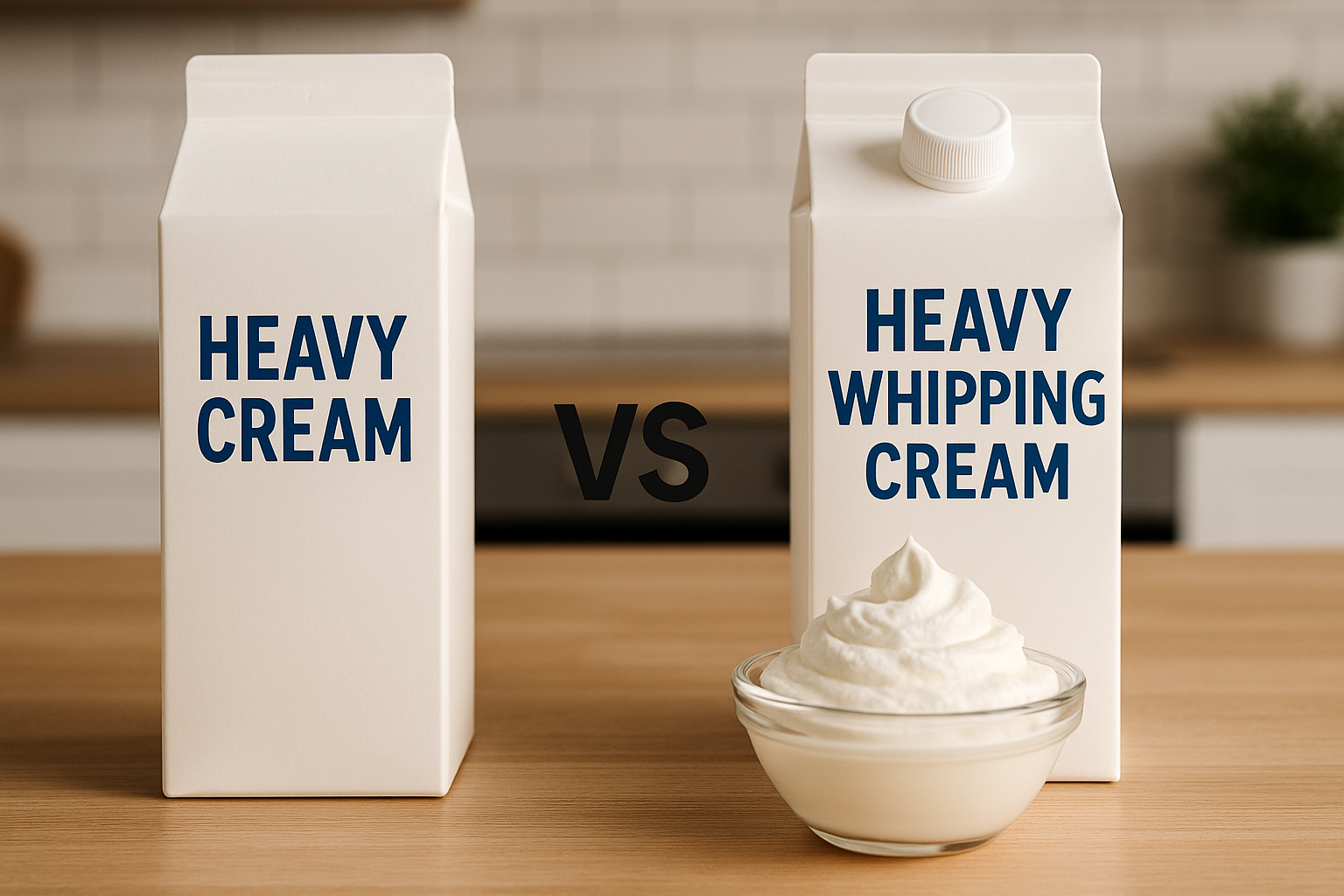
When it comes to cooking and baking, cream is one of those ingredients that can elevate a dish from good to exceptional. Yet, the variety of creams available in stores can be confusing, especially when it comes to heavy cream vs heavy whipping cream. While they may seem very similar, there are subtle differences in fat content, texture, and how they behave in recipes. Understanding these differences can make a noticeable difference in your cooking outcomes, whether you are preparing a silky sauce, a creamy dessert, or a fluffy topping. In this guide, we will break down the distinctions in plain, simple language and provide practical advice for choosing the right cream for your needs.
Heavy Cream vs Heavy Whipping Cream Short Overview:
Heavy cream and heavy whipping cream are rich dairy products with slightly different fat contents. Heavy cream is thicker and more stable, while heavy whipping cream is lighter, perfect for whipping and topping desserts.
Understanding Heavy Cream
Heavy cream, also known as heavy whipping cream in some regions, is a rich dairy product with a high fat content. Typically, heavy cream contains at least 36% milk fat. This high fat level gives it a luxurious texture and allows it to add richness to both sweet and savory dishes.
In cooking, heavy cream is often used to make creamy sauces, soups, and custards. Its thick consistency helps stabilize mixtures and prevents them from curdling when heated gently. In baking, heavy cream is invaluable for creating smooth fillings, frostings, and decadent desserts. The flavor of heavy cream is rich but neutral, allowing it to enhance other ingredients without overpowering them.
One of the most notable characteristics of heavy cream is its consistency. It is thick enough to coat the back of a spoon, yet pourable, making it versatile in both stovetop and baking applications. Its high fat content also means it whips easily, holding soft or stiff peaks, which is essential for certain desserts like mousses or whipped toppings.
Understanding Heavy Whipping Cream
Heavy whipping cream is very similar to heavy cream but is slightly lighter in fat content, usually ranging from 30% to 36% milk fat. This small difference can affect how it behaves when whipped or cooked. Heavy whipping cream can still be whipped into soft peaks, but it may require slightly more effort to achieve stiff peaks compared to heavier cream.
The primary use of heavy whipping cream is for topping desserts, making whipped cream, or enriching beverages like coffee or hot chocolate. While it can also be used in sauces and soups, recipes that rely on maximum creaminess or stability might benefit from using higher-fat heavy cream instead.
In terms of texture, heavy whipping cream is slightly lighter and less dense than heavy cream. This subtle distinction is usually more noticeable when whipping or folding it into recipes where structure matters, such as in meringues or layered desserts.
Nutritional Differences Between Heavy Cream and Heavy Whipping Cream
Though similar, heavy cream and heavy whipping cream do have minor nutritional differences. Because heavy cream has a slightly higher fat content, it also contains more calories per serving. For example, one tablespoon of heavy cream typically has around 52 calories and 5.5 grams of fat, while the same amount of heavy whipping cream might have roughly 50 calories and 5 grams of fat.
These differences may not seem significant in small amounts, but they can add up in recipes that call for several tablespoons or cups of cream. For individuals monitoring fat intake or calories, opting for heavy whipping cream could be a subtle way to reduce overall consumption. Nutritionally, both creams are rich in fat-soluble vitamins like A, D, E, and K, which makes them more than just a source of calories—they can contribute beneficial nutrients to a balanced diet.
Quick Comparison Table: Heavy Cream vs Heavy Whipping Cream
| Feature | Heavy Cream | Heavy Whipping Cream |
| Fat Content | 36% or higher | 30–36% |
| Best Uses | Sauces, soups, custards, dense desserts | Whipped toppings, lighter desserts, beverages |
| Whipping Ability | Holds stiff peaks easily | Softer peaks, slightly less stable |
| Texture & Consistency | Thick, creamy, luxurious | Lighter, slightly less dense |
| Cooking Stability | High, less likely to curdle | Good, but careful in delicate sauces |
| Calories (approx. per tbsp) | 52 | 50 |
Cooking and Baking Applications
Knowing when to use heavy cream vs heavy whipping cream can impact the success of your recipes. Heavy cream, with its higher fat content, is ideal for sauces, custards, and soups where a rich, silky texture is desired. It’s less likely to curdle when heated, making it reliable for delicate preparations.
Heavy whipping cream, on the other hand, shines when a lighter texture is acceptable or desired. It is perfect for whipped toppings, creamy desserts that don’t require dense richness, or coffee and hot chocolate.
Substituting one for the other is often possible, but there are some caveats. Using heavy whipping cream in place of heavy cream might produce a slightly thinner sauce or softer whipped cream. Conversely, using heavy cream instead of heavy whipping cream could result in a richer, denser final product. Understanding the whipping properties of each cream is crucial: heavy cream can hold stiff peaks more easily, which is essential for certain baked goods and desserts, whereas heavy whipping cream might produce softer peaks that are better for garnishing or folding into recipes.
Storage and Shelf Life Tips
Proper storage can make a big difference in the quality and longevity of both heavy cream and heavy whipping cream. Both should be stored in the refrigerator at temperatures below 40°F (4°C) and kept in their original containers to avoid contamination.
Once opened, cream typically lasts between 7 to 10 days, but it’s always best to check the sell-by date and use your senses. Fresh cream should smell slightly sweet and clean, not sour. Signs of spoilage include off odors, clumps, or a curdled appearance. For longer storage, both types of cream can be frozen, though whipping cream may lose some of its texture after thawing. Gently shaking or stirring can help restore consistency in most cases.
Common Mistakes and Misconceptions
Many home cooks confuse heavy cream and heavy whipping cream, assuming they are completely interchangeable. While they are similar, ignoring their subtle differences can lead to disappointing results in texture or stability.
Another common mistake is over-whipping cream. Heavy cream can withstand longer whipping without breaking, while heavy whipping cream can separate into butter if over-whipped. Using the wrong type of cream in delicate sauces or custards can also result in curdling or an overly thin consistency. Awareness of these properties and the context of your recipe can prevent these issues.
Conclusion
Heavy cream vs heavy whipping cream may seem like a minor distinction, but understanding the differences can elevate your cooking and baking. Heavy cream offers higher fat content, stability, and richness, making it ideal for sauces, custards, and dense desserts. Heavy whipping cream provides a slightly lighter option that is perfect for whipped toppings and lighter recipes.
Choosing the right cream depends on the texture, richness, and stability you want in your dish. By keeping these differences in mind, you can confidently select the appropriate cream and achieve consistent, delicious results. Experimenting with both types in the kitchen will help you discover which cream works best for your favorite recipes, turning everyday meals and desserts into memorable creations.
FAQs
Can I use heavy whipping cream instead of heavy cream?
Yes, in most recipes, but the texture may be slightly lighter, and sauces may be less rich.
Does heavy cream have more calories than heavy whipping cream?
Slightly. Heavy cream has more fat and calories, but the difference is minimal for small amounts.
Can heavy whipping cream be used for cooking hot sauces?
Yes, but it may curdle more easily than heavy cream if overheated.
How long can I store heavy cream or heavy whipping cream?
Both last 7–10 days in the fridge after opening. Check for off smell, clumps, or curdling.
Can I freeze heavy cream or whipping cream?
Yes, but whipping cream may lose some texture when thawed. Shake gently before using.
Disclaimer:
This article is for informational purposes only. Nutritional values may vary by brand, and cooking outcomes can differ depending on recipe and technique. Always check labels and use proper food safety practices when handling dairy products.

My name is Mustafa, and I have been blogging for over 5 years. I am passionate about sharing complete, accurate, and helpful information with my readers. Along with managing content on The Matcha Read, I also contribute blog posts to premium websites. My goal is to provide valuable insights in a clear and easy-to-understand way, so every reader walks away with useful knowledge.