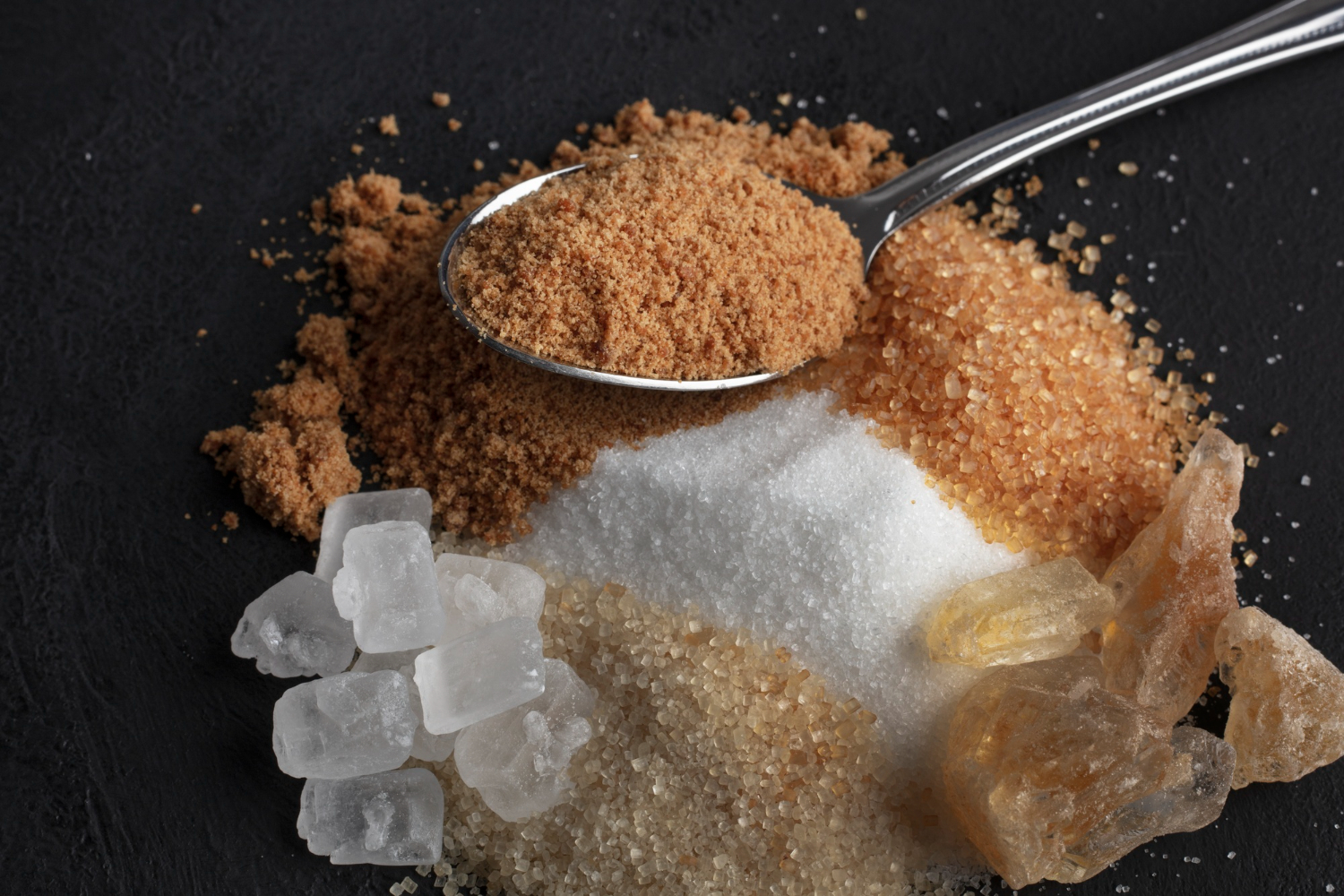
Invert sugar is a sweetener made by breaking down regular table sugar into two simpler sugars: glucose and fructose. This process changes how the sugar behaves in recipes, giving it unique qualities that are especially useful in baking, candy making, and beverage production. Although it sounds technical, invert sugar is essentially a syrup that stays smooth, retains moisture, and tastes slightly sweeter than standard granulated sugar.
It is made by heating sugar with water and a small amount of acid or enzyme until the sucrose splits. The result is a thick, clear syrup with a balanced sweetness and a stable texture. Because it resists crystallization and blends easily into mixtures, it’s widely used in commercial food manufacturing, but home cooks and bakers can use it too.
Invert sugar matters because it solves some of the most common challenges in cooking. It keeps baked goods soft, gives candies a smooth finish, and helps beverages stay evenly sweet. Whether you’re preparing a simple syrup at home or experimenting with more advanced recipes, understanding invert sugar can help you get more consistent and reliable results in the kitchen.
Invert Sugar Short Overview:
Invert sugar is a liquid sweetener made by breaking regular sugar into glucose and fructose. It’s smoother, sweeter, and helps keep foods soft, making it popular in baking, candy, and beverages.
What Invert Sugar Is and How It Differs From Regular Sugar
The main difference between invert sugar and regular sugar is how they behave in recipes. Regular sugar, or sucrose, is a dry, crystalline ingredient that dissolves when heated. Invert sugar is a liquid mixture of glucose and fructose produced by breaking down the sucrose. This makes it sweeter, more stable, and easier to blend into other ingredients.
Because invert sugar is already in a liquid form, it blends into cold liquids more easily than granulated sugar. It also holds onto moisture better, which helps prevent baked goods from turning dry or stale. This is why commercial bakeries and candy makers often rely on invert sugar to improve texture and shelf life. The distinct sweetness of invert sugar also means you can use slightly less of it to achieve the same flavor intensity, which can be helpful when fine-tuning a recipe.
These differences don’t make invert sugar better than regular sugar for every purpose, but they do give it a special role in recipes where texture, moisture, and sweetness control matter.
Quick Comparison Table: Invert Sugar vs Regular Sugar
| Feature | Invert Sugar | Regular Sugar |
| Form | Liquid syrup | Dry crystals |
| Sweetness | Slightly sweeter | Standard sweetness |
| Dissolves In Cold Liquids | Very easily | Slowly |
| Crystallization | Resists crystallizing | Can crystallize |
| Moisture Retention | High (keeps foods soft) | Low |
| Best Uses | Baking, candy, syrups, drinks | All general sweetening |
How Invert Sugar Is Made?: The Basic Process Explained
The process of making invert sugar begins with dissolving granulated sugar in water. Once the mixture becomes a syrup, a small amount of acid—such as lemon juice, cream of tartar, or citric acid—is added. As the mixture heats, the acid helps break the bond between the glucose and fructose molecules. After a certain amount of time, the sugar is considered “inverted,” meaning the chemical structure has shifted and the syrup has gained its characteristic smoothness and stability.
Commercial producers sometimes use enzymes instead of acids because enzymes allow for more control over the sweetness and consistency of the final product. Whether made at home or in a factory, the transformation from standard sugar to invert sugar is simple and helps create a sweetener with predictable performance in a wide range of recipes.
Key Functional Benefits of Using Invert Sugar in Recipes
One of the main reasons cooks and manufacturers use invert sugar is its ability to prevent crystallization. When sugar crystallizes in candy or syrups, the texture becomes grainy and uneven. Invert sugar keeps these mixtures smooth, which makes it especially valuable for caramel, fudge, marshmallows, and ice creams.
Another important benefit is moisture retention. Invert sugar attracts and holds water more effectively than regular sugar. This helps cakes stay soft for longer and gives cookies a chewy texture instead of becoming dry or brittle. Even a small amount of invert sugar in a dough or batter can make a noticeable difference in freshness.
Invert sugar also dissolves quickly, even at low temperatures. This makes it ideal for cold beverages, flavored syrups, and glazes where an even, consistent level of sweetness is necessary. Because it tastes slightly sweeter than regular sugar, it can be used strategically to enhance flavor without increasing the total amount of sweetener.
Common Applications of Invert Sugar in Baking, Confectionery, and Beverages
In baking, invert sugar helps create tenderness in cakes and enhances browning through its simple sugars. It can give bread a richer crust and add moisture to pastries that tend to dry out quickly. Confectioners rely on it to create smooth textures in caramel, fondant, and nougat, where preventing sugar crystals is essential.
Beverage makers also use invert sugar because it dissolves completely and stays evenly mixed. This includes soft drinks, flavored teas, cocktail mixers, and energy drinks. The syrup distributes sweetness more uniformly than granulated sugar and contributes to a balanced mouthfeel.
Wherever a recipe depends on smoothness, moisture, and consistent sweetness, invert sugar plays a useful role.
Flavor, Texture, and Shelf-Life Effects When Using Invert Sugar
Invert sugar directly affects flavor by making sweetness more noticeable. Because fructose is naturally sweeter than sucrose, even a small amount of invert sugar can heighten the sweetness of a recipe without adding a heavy or sugary taste.
Its impact on texture is even more significant. In bread and cakes, it supports softness and elasticity. In cookies, it creates a pleasant chewiness. In candies, it produces a silky finish and prevents the rough crystal texture that sometimes appears when sugar isn’t properly dissolved.
Shelf life also improves when invert sugar is used. Foods that contain it tend to resist drying out because the sugar attracts moisture from the air. This can help commercial products stay fresh during transport and storage, but it benefits home-baked goods just as much.
Comparing Invert Sugar to Other Liquid Sweeteners
Invert sugar shares similarities with honey, corn syrup, and maple syrup, but each sweetener behaves differently. Honey naturally contains a mix of glucose and fructose, which makes it somewhat similar to invert sugar, but it also brings its own distinct flavor profile and aroma. Corn syrup is excellent at preventing crystallization but is less sweet and lacks the moisture-retaining properties of invert sugar. Maple syrup adds a deep flavor but can overpower delicate recipes.
The main advantage of invert sugar compared to these alternatives is its neutrality. It offers functional benefits without adding strong flavors, making it suitable for recipes where sweetness and texture matter more than taste variation. This neutrality gives cooks and manufacturers more control over the final result.
How to Store and Handle Invert Sugar for Best Quality?
Invert sugar should be kept in a sealed container to prevent it from absorbing excess moisture from the air. It stores well at room temperature, but keeping it in a cool, dark place helps maintain its clarity and consistency. Over time, it may thicken slightly, but a gentle warming in a water bath can help restore its fluid texture.
Because invert sugar is hydroscopic, meaning it draws in moisture, handling it with clean, dry utensils is important. This prevents unwanted dilution and helps preserve the syrup’s quality for future recipes.
Tips for Substituting Invert Sugar in Home Cooking and Baking
When substituting invert sugar for regular sugar, it’s helpful to remember that invert sugar is sweeter and contains more moisture. A direct one-to-one swap is rarely ideal. In many recipes, replacing about one-quarter to one-third of the regular sugar with invert sugar can improve texture without making the mixture too wet or overly sweet.
For cold drinks, syrups, and glazes, invert sugar can completely replace granulated sugar because it dissolves instantly. In baked goods, the best practice is to adjust gradually, adding a small amount of invert sugar while reducing the liquid in the recipe slightly. With a few trials, home bakers can learn how to use invert sugar to enhance softness, flavor, and overall consistency while keeping the structure of their recipes intact.
Conclusion: Invert Sugar’s Role in Today’s Kitchens and Food Production
Invert sugar may seem like a specialized ingredient, but its benefits are simple and practical. It improves moisture, enhances sweetness, prevents crystallization, and helps foods stay fresher for longer. Because of these qualities, it has become a reliable tool in both home kitchens and commercial food production.
Whether you’re baking bread, creating candy, mixing beverages, or exploring new ways to improve texture and flavor, invert sugar can make your results more consistent and enjoyable. Understanding how it works gives you more control over your recipes and opens the door to better, more reliable cooking every day.
FAQs
What is invert sugar used for?
Invert sugar is used to keep baked goods soft, prevent crystallization in candies, and sweeten drinks evenly. It improves texture and shelf life in many recipes.
Can I make invert sugar at home?
Yes. You only need sugar, water, a small amount of acid, and gentle heat. The process is simple and can be done in any kitchen.
Is invert sugar healthier than regular sugar?
Not necessarily. Nutritionally, it is similar to regular sugar. Its main benefits are functional—better texture, moisture, and sweetness—not health-related.
Can I replace regular sugar with invert sugar in baking?
You can, but not in equal amounts. Invert sugar is sweeter and adds moisture, so recipes may need slight adjustments to liquids and sweeteners.
What foods commonly contain invert sugar?
Candies, ice creams, soft drinks, jams, pastries, frostings, and commercial baked goods often use invert sugar to improve smoothness and freshness.
Disclaimer:
This article is for informational purposes only. It explains the general use and behavior of invert sugar in cooking and food preparation. It does not offer medical, nutritional, or professional food-safety advice. Always follow safe cooking practices and consult relevant experts when needed.

My name is Mustafa, and I have been blogging for over 5 years. I am passionate about sharing complete, accurate, and helpful information with my readers. Along with managing content on The Matcha Read, I also contribute blog posts to premium websites. My goal is to provide valuable insights in a clear and easy-to-understand way, so every reader walks away with useful knowledge.