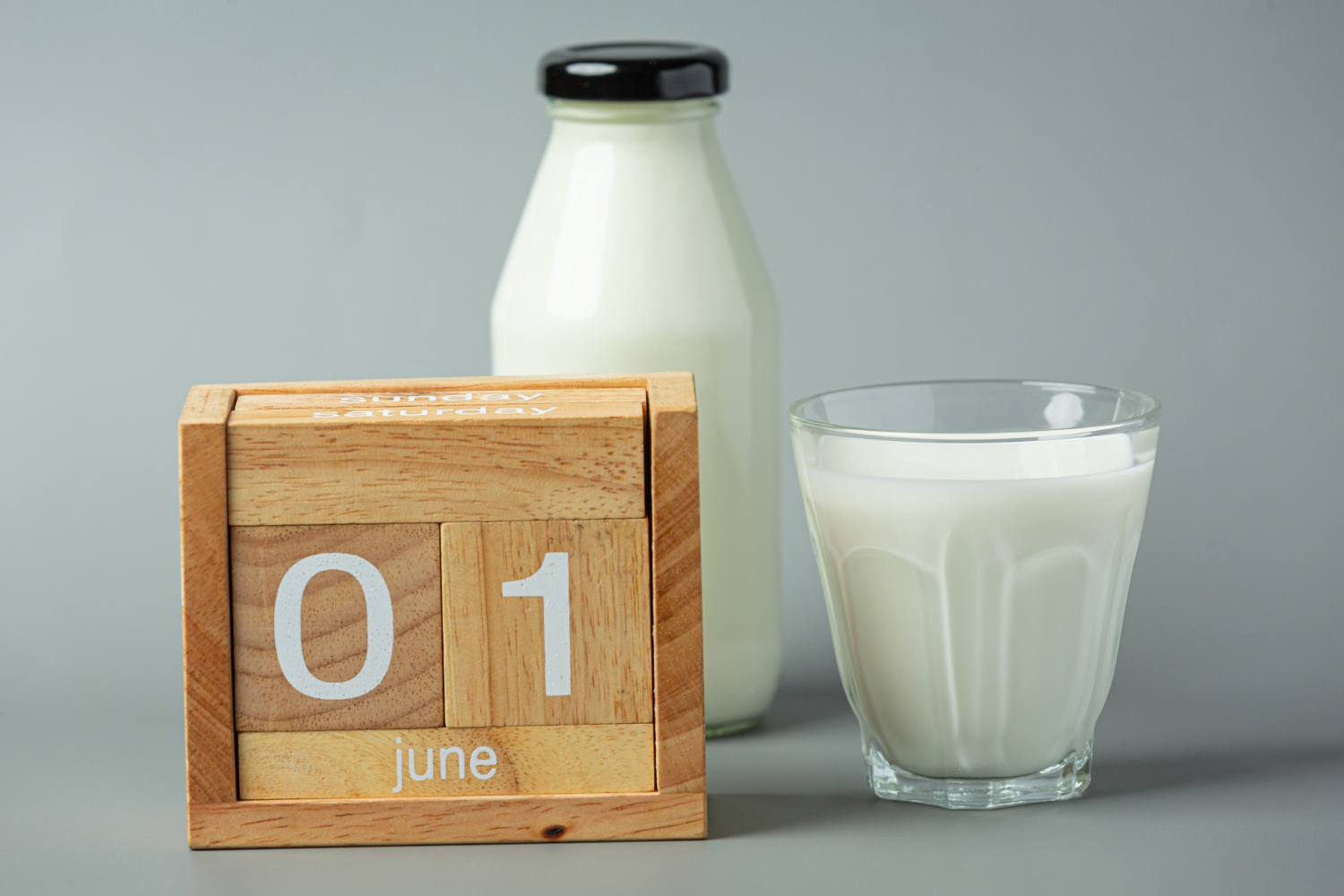
Every day, we interact with matter in countless ways. From the air we breathe to the water we drink, everything around us is made up of matter. In simple terms, matter is anything that has mass and occupies space. It can exist in many forms, and understanding its different types helps us make sense of the world around us. One fascinating example of matter we encounter daily is milk.
Milk is more than just a nutritious drink; it is also a perfect illustration of a specific type of matter called a colloid. By looking at milk, we can explore how matter is classified, what makes certain mixtures unique, and how everyday substances can display interesting scientific properties. This article will guide you through the basics of matter, explain why milk is a classic example of a colloid, compare it with other types of matter, and even highlight similar everyday colloids. By the end, you’ll have a clear understanding of milk’s scientific nature and its relevance in both daily life and food science.
What Is Matter and How Is It Classified?
Matter is a term that might sound complicated, but it’s actually simple. Anything that takes up space and has weight falls under the category of matter. It is the “stuff” that makes up everything in the universe, from the tiniest grain of sand to massive stars in the sky. Scientists categorize matter to understand it better, breaking it down into manageable groups.
The main types of matter include elements, compounds, and mixtures. Elements are the most basic forms, consisting of only one type of atom. For example, pure gold or oxygen gas is an element. Compounds are made when two or more elements combine chemically, like water (H₂O) or table salt (NaCl). Mixtures, on the other hand, are physical combinations of two or more substances that do not chemically bond.
Mixtures can be further classified into homogeneous and heterogeneous types. Homogeneous mixtures are uniform throughout, meaning you cannot see the separate components with the naked eye. A solution like sugar dissolved in water is homogeneous. Heterogeneous mixtures, however, contain distinct parts that you can usually observe, like sand in water or cereal in milk.
This classification system is crucial to understanding milk because milk is not a simple liquid. It falls into a special category of mixtures that behave differently from basic solutions or solids, which leads us to the concept of colloids.
Milk as a Colloid: What Makes It Special?
Milk is an excellent example of a colloid, a type of mixture where tiny particles are dispersed throughout another substance without settling out quickly. In plain terms, a colloid is something in which small particles are spread evenly in a liquid, giving it a unique texture and appearance. Unlike solutions, where the dissolved substance becomes invisible, the particles in a colloid are large enough to scatter light, making the mixture appear cloudy or opaque.
Milk fits this definition perfectly. It contains fat droplets, proteins, vitamins, and minerals suspended in water. These fat and protein particles do not dissolve completely; instead, they remain distributed throughout the liquid. This is why milk looks creamy and white rather than clear like water.
The main components of milk include water, fats, proteins (like casein), lactose (milk sugar), and minerals. Water makes up the majority of milk, providing the base in which the other components are dispersed. Fat exists in tiny globules, while proteins stabilize these fat droplets and prevent them from clumping together. This balance between components allows milk to maintain its smooth texture and stay uniform without separating for a long period. Understanding milk as a colloid helps explain not only its appearance but also its behavior in cooking, storage, and nutrition.
Differences Between Milk and Other Types of Matter
To better grasp why milk is classified as a colloid, it helps to compare it with other types of matter. For instance, pure substances like water or table salt have uniform compositions and consistent properties throughout. Water is clear and homogenous, and salt crystals are solid and uniform. These substances do not contain suspended particles and behave predictably under standard conditions.
Similarly, simple mixtures like sugar dissolved in water are homogeneous. The sugar dissolves completely, creating a uniform solution without visible particles. If you were to look at it, it would appear just like plain water. Milk, however, is different. Its particles are dispersed but not dissolved, making it heterogeneous at a microscopic level, even though it seems uniform to the naked eye.
Colloids like milk behave differently from simple mixtures because the dispersed particles are small enough to remain suspended but large enough to scatter light. This scattering gives milk its characteristic opaque appearance. It also affects properties like viscosity and stability. Unlike sugar water, which can be heated without changing its uniformity, milk can separate if left to sit or exposed to high temperatures, demonstrating the delicate balance of a colloidal system.
Everyday Examples of Colloids Beyond Milk
While milk is a familiar and nutritious example, colloids are all around us in daily life. Fog, for example, is a colloid where tiny water droplets are suspended in air. Mayonnaise is another classic colloid, with oil droplets dispersed in water stabilized by egg yolk proteins. Butter is a colloid made of fat particles suspended in water.
These examples demonstrate the significance of colloids not only in food but also in other areas of science and industry. Colloids often have unique textures, stability, and behavior, which can be useful in cooking, cosmetics, pharmaceuticals, and even environmental applications. Observing these everyday substances through the lens of colloid science highlights the hidden complexity in seemingly ordinary materials.
The Science Behind Milk’s Unique Properties
Milk’s colloidal nature gives it several distinct physical properties. Its opacity and creamy texture are due to the scattering of light by the dispersed fat and protein particles. Its stability relies on the balance of these particles, preventing them from separating quickly. When left for a long period or when heated, milk can form a skin on top or curdle, illustrating the delicate interactions within a colloid.
Scientific phenomena like emulsions and dispersion are central to understanding milk. An emulsion is a type of colloid where two liquids that normally don’t mix, like oil and water, are combined in tiny droplets. Milk is a natural emulsion, with fat droplets dispersed in water and stabilized by proteins. Dispersion refers to how evenly these particles are spread, which affects milk’s texture and behavior in recipes.
Milk’s colloidal structure also influences its role in cooking and nutrition. For example, when making cheese or yogurt, the proteins and fats are manipulated to create new textures and flavors. Nutritionally, the colloid helps deliver essential vitamins, minerals, and fats in a balanced, digestible form. Understanding milk’s unique properties as a colloid not only satisfies scientific curiosity but also explains practical uses in the kitchen and beyond.
Conclusion
Milk is a classic and everyday example of a colloid, a special type of matter where tiny particles are suspended in a liquid without dissolving completely. By examining milk, we can see the difference between pure substances, simple mixtures, and complex mixtures like colloids. Milk’s unique properties — its creamy texture, opacity, and behavior in cooking — all stem from its colloidal nature.
Exploring milk as a type of matter opens the door to understanding countless other substances we encounter daily. From fog and butter to mayonnaise and even certain medications, colloids are everywhere. Recognizing these patterns in everyday life enhances our appreciation of the science behind ordinary materials. Next time you pour a glass of milk, you’ll not only enjoy a nutritious drink but also witness a fascinating example of chemistry and physics in action.

My name is Mustafa, and I have been blogging for over 5 years. I am passionate about sharing complete, accurate, and helpful information with my readers. Along with managing content on The Matcha Read, I also contribute blog posts to premium websites. My goal is to provide valuable insights in a clear and easy-to-understand way, so every reader walks away with useful knowledge.