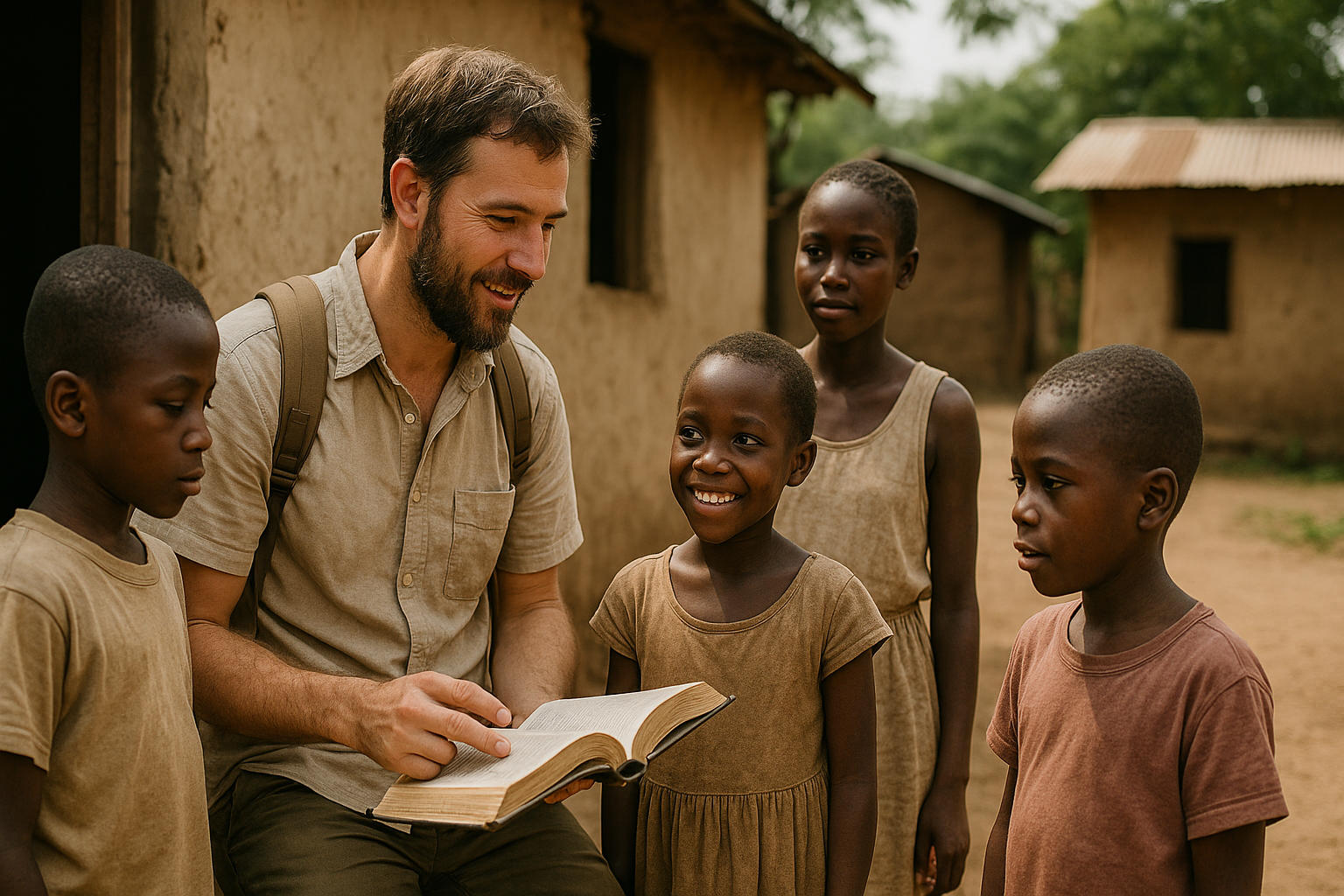
Introduction
A missionary is someone who dedicates their life to serving others, often by spreading religious teachings, supporting communities, or providing humanitarian aid. While many people associate missionaries only with religious work, their role in society is much broader. Missionaries contribute to education, healthcare, community development, and social support across the globe.
Despite their widespread contributions, there are common misconceptions about missionaries. Some believe they only focus on religious conversion, while others think their work is limited to faraway countries. In reality, missionaries often work in diverse environments, blending service with cultural understanding and personal growth.
This article will explore the history of missionary work, what missionaries do today, the personal journey involved, challenges they face, their impact on communities, and ways people can support or engage in missionary efforts.
The Historical Roots of Missionary Work
Missionary work is not a modern phenomenon. It has existed in various forms across cultures and religions for centuries. In early civilizations, individuals traveled to spread ideas, teachings, or moral guidance, often helping communities in the process.
Key figures in missionary history include well-known religious leaders, educators, and humanitarians who traveled great distances to reach new communities. Their dedication laid the foundation for structured missionary efforts that combined spiritual, educational, and humanitarian objectives.
Over time, the concept of missions evolved. Initially focused on religious outreach, it expanded to include social services, healthcare, and education. Modern missionary work often blends faith-based motivations with practical community support, reflecting a holistic approach to service.
Understanding the Role of a Missionary Today
In today’s world, missionaries fulfill a wide range of responsibilities. They may teach in schools, provide medical care, assist with community development projects, or support vulnerable populations. Each day can vary depending on the community’s needs and the type of mission being undertaken.
Missionary work can be short-term or long-term. Short-term missions often involve specific projects, lasting a few weeks or months, whereas long-term missions may span several years and involve deeper community integration. Both types are essential, offering different ways to contribute.
Effective missionaries usually possess strong communication skills, adaptability, cultural sensitivity, and a deep sense of empathy. Their work requires patience, resilience, and the ability to navigate challenges while remaining committed to their purpose.
The Personal and Spiritual Journey of a Missionary
Choosing to become a missionary often involves a combination of emotional, spiritual, and personal motivations. Many feel a calling to serve others or seek a deeper sense of purpose in life. This journey can be deeply transformative, shaping both character and perspective.
Missionaries frequently experience personal growth as they navigate unfamiliar cultures, learn new languages, and overcome obstacles. These experiences foster empathy, patience, and problem-solving skills that remain valuable throughout life.
Balancing faith and practical challenges is another essential aspect of a missionary’s journey. While spiritual beliefs often guide their mission, practical concerns like funding, logistics, and community dynamics require careful attention and planning.
Challenges Faced by Missionaries in Modern Times
Missionary work is rewarding, but it comes with significant challenges. Cultural and language differences can make communication and trust-building difficult. Understanding local customs and respecting traditions is crucial for meaningful engagement.
Financial and logistical difficulties are also common. Many missionaries rely on donations or sponsorships to fund their work, which can create uncertainty. Additionally, arranging housing, transportation, and supplies in remote or underdeveloped areas can be complex.
Isolation, health risks, and political instability are further obstacles. Living far from family and familiar support networks can be emotionally taxing, while access to healthcare or safe conditions may be limited in certain regions. Navigating these challenges requires resilience, planning, and support.
The Impact of Missionary Work on Communities
Missionaries often have a profound impact on the communities they serve. By providing education, healthcare, and social support, they help improve quality of life and create opportunities for long-term growth.
Many communities benefit from programs initiated by missionaries, including schools, clinics, and skill-building initiatives. These contributions not only address immediate needs but also empower local populations to achieve greater self-sufficiency.
Ethical considerations are important in missionary work. Successful missions respect local culture, involve the community in decision-making, and avoid imposing external values. Responsible service practices ensure that aid is sustainable and genuinely beneficial.
How to Support or Get Involved with Missionary Efforts?
There are many ways to support missionary work without becoming a full-time missionary. Volunteering, donating, or advocating for causes aligned with missionary projects can make a meaningful difference.
For those considering a missionary career, preparation is key. Gaining relevant skills, cultural understanding, and practical experience can help ensure that contributions are effective and respectful.
Engagement can also happen locally. Many communities have opportunities to serve neighbors, support local organizations, or participate in outreach programs. Global engagement is not always required to make a positive impact.
Conclusion
Missionary work is a multifaceted endeavor that blends service, personal growth, and community impact. Missionaries face challenges ranging from cultural barriers to logistical difficulties, yet their work contributes significantly to the welfare of individuals and communities worldwide.
By understanding the history, purpose, and responsibilities of missionaries, we can better appreciate their dedication and the transformative effect of their work. Whether through direct involvement or supportive actions, everyone has the opportunity to engage with missionary efforts in meaningful ways.
FAQs
What does a missionary do?
A missionary helps communities through education, healthcare, social services, or religious guidance, often adapting to local cultures and needs.
Can anyone become a missionary?
Yes, anyone with the willingness to serve, empathy, and preparation can contribute, either locally or abroad.
How long do missionaries typically work in a community?
It depends. Short-term missions last weeks or months, while long-term missions can span years for deeper community impact.
What challenges do missionaries face?
They may encounter cultural differences, language barriers, financial constraints, health risks, and social or political obstacles.
How can I support missionary work without traveling?
You can volunteer locally, donate, advocate for programs, or participate in fundraising and awareness campaigns.
Disclaimer:
This article is for informational purposes only. It is not intended as professional, religious, or career advice. Readers should research and consult relevant organizations before pursuing missionary work or engagement.

My name is Mustafa, and I have been blogging for over 5 years. I am passionate about sharing complete, accurate, and helpful information with my readers. Along with managing content on The Matcha Read, I also contribute blog posts to premium websites. My goal is to provide valuable insights in a clear and easy-to-understand way, so every reader walks away with useful knowledge.