Introduction
Padmasana, commonly known as the Lotus Pose, is one of the most iconic yoga positions. Simple in appearance yet deeply profound in practice, this pose has been embraced for centuries as a foundation for meditation and mindful breathing. It is renowned for promoting both physical stability and mental clarity, making it a cornerstone of traditional yoga routines. In this article, you will gain a clear understanding of Padmasana Lotus, learn how to perform it safely, explore its many benefits, and discover ways to integrate it into your daily wellness routine.
Padmasana Lotus Short Overview:
Padmasana Lotus is a seated yoga pose where each foot rests on the opposite thigh. It promotes hip flexibility, spinal alignment, and mental calm, making it ideal for meditation and mindful breathing.
Understanding Padmasana Lotus
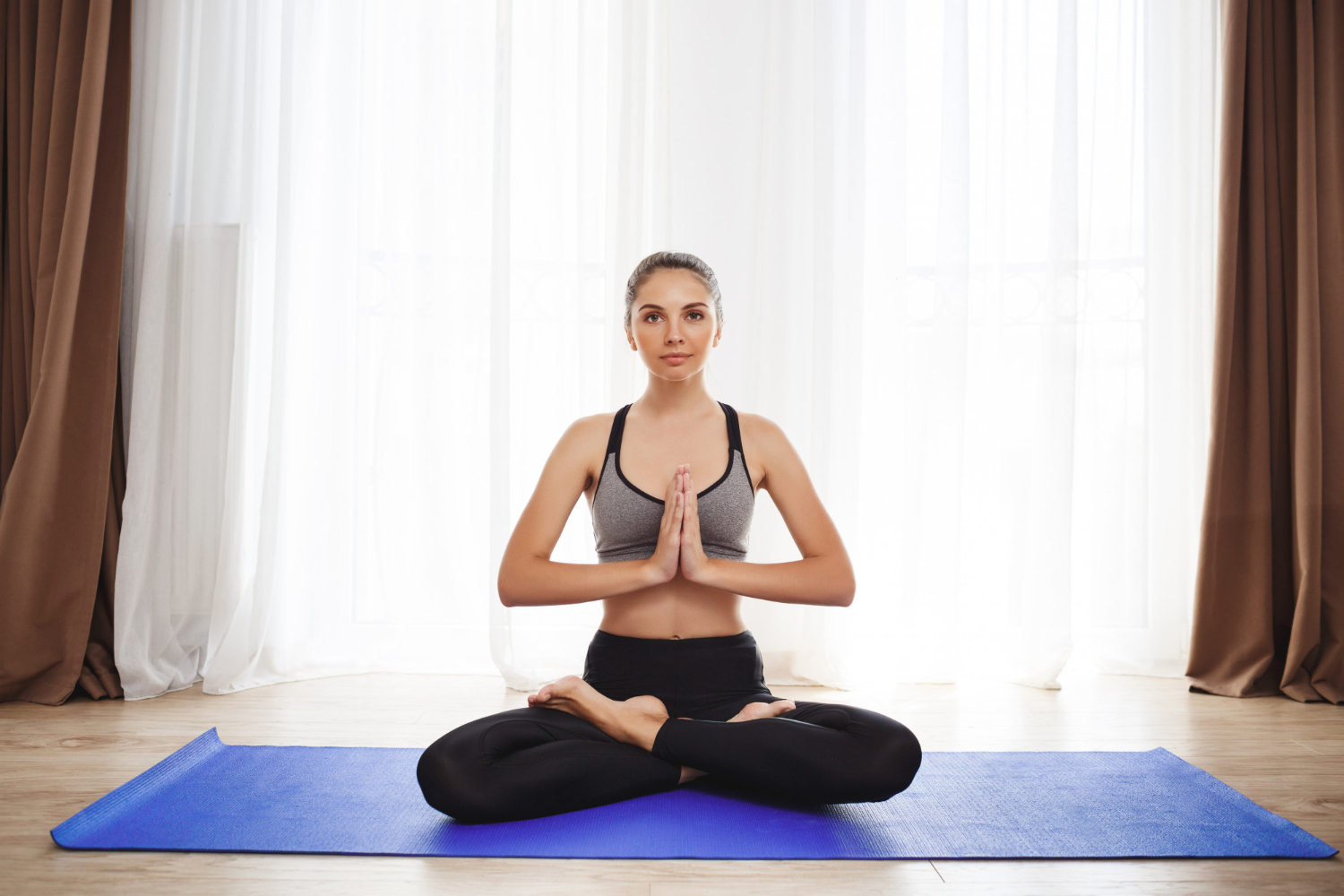
Padmasana Lotus is a seated posture where each foot is placed on the opposite thigh, forming a stable base that resembles the shape of a lotus flower. Its origins trace back to ancient India, where it was used by yogis and monks for meditation and spiritual practices. The pose is celebrated for its ability to harmonize body and mind, creating a sense of grounded focus.
Physically, Padmasana helps open the hips, strengthens the spine, and promotes proper posture. Mentally, it encourages calmness, focus, and mindfulness, making it ideal for meditation. Unlike other seated yoga poses, such as Sukhasana (Easy Pose), Padmasana requires more flexibility in the hips and knees, offering a deeper stretch while providing a stable base for longer periods of seated meditation.
Step-by-Step Guide to Performing Padmasana Lotus
To practice Padmasana Lotus safely, preparation is essential. Begin by sitting on a comfortable, flat surface with legs extended. Take a few deep breaths to relax the body and focus the mind.
Start by bending your right knee and placing your right foot on your left thigh, keeping the sole facing upward. Then bend your left knee and place your left foot on your right thigh in the same manner. Your spine should be straight, shoulders relaxed, and hands resting gently on your knees or in a mudra of your choice.
Maintaining the pose requires patience and gradual practice. Avoid forcing your legs into position, as this can strain the knees or hips. Common mistakes include rounding the back, hunching the shoulders, or letting the knees lift too high from the floor. Focusing on alignment and breathing slowly can help maintain comfort and stability in the pose.
Quick Guide / Step-by-Step Table for Padmasana Lotus
| Step | Action | Tips |
| 1 | Sit on a flat surface with legs extended | Use a cushion for comfort if needed |
| 2 | Bend the right knee, place right foot on left thigh | Keep the sole facing upward |
| 3 | Bend the left knee, place left foot on right thigh | Align knees with the floor, spine straight |
| 4 | Rest hands on knees in mudra or relaxed | Breathe slowly, keep shoulders relaxed |
| 5 | Hold the pose | Start with 1–2 minutes, gradually increase |
Common Mistakes: Rounding back, forcing legs, knees lifted off floor. Correct by using props and mindful adjustments.
Health Benefits of Practicing Padmasana Lotus
The physical benefits of Padmasana Lotus extend beyond flexibility. It improves circulation in the lower body, supports spinal alignment, and can reduce tension in the hips and knees over time. This pose also encourages better posture, which is beneficial for those who spend long hours sitting.
Mentally, the Lotus Pose helps calm the nervous system and reduces stress. By maintaining this posture during meditation, you can enhance focus and mindfulness, creating a sense of inner peace. Over time, consistent practice of Padmasana can lead to long-term wellness effects, including improved body awareness, emotional balance, and a deeper connection to your breath and mind.
Modifications and Alternatives for Beginners
For beginners or those with limited flexibility, full Padmasana may feel challenging. A half-lotus position, where only one foot is placed on the opposite thigh, can provide similar benefits with less strain. Sitting on a folded blanket or yoga cushion can elevate the hips, making the pose more accessible and comfortable.
Props such as blocks or rolled towels can also support the knees or ankles, reducing pressure and preventing discomfort. With regular practice, flexibility and comfort will improve gradually, allowing a safe progression toward the full Padmasana Lotus.
Integrating Padmasana Lotus into Your Daily Routine
Incorporating Padmasana into your daily life can be simple and rewarding. Practicing in the morning or evening, when the body is calm and relaxed, often provides the best results. Even a few minutes of holding the pose while focusing on deep breathing can enhance both mental clarity and physical relaxation.
Pairing Padmasana with meditation or pranayama (breathing exercises) can deepen its benefits. Maintaining consistency is key, so aim for a daily practice, even if brief. Avoid rushing into the pose or pushing the body too hard; gentle, mindful practice prevents injury and encourages long-term progress.
Common Challenges and How to Overcome Them
Padmasana can sometimes cause discomfort in the hips, knees, or ankles, especially for beginners. Gentle stretching exercises targeting the hip flexors and thighs before attempting the pose can help reduce tension. Patience is crucial—forcing the legs into position can lead to injury.
Improving flexibility safely involves consistent practice and listening to your body. Gradual attempts at deeper stretches, combined with modifications like half-lotus or supported cushions, can make the pose more accessible. If pain persists or alignment feels difficult, guidance from a certified yoga instructor can ensure safe and effective practice.
Conclusion
Padmasana Lotus is more than a yoga pose; it is a bridge between physical balance and mental clarity. Its ability to open the hips, improve posture, and calm the mind makes it a powerful tool for overall wellness. By practicing mindfully and progressing gradually, anyone can enjoy the benefits of this classic pose. Integrating Padmasana into your daily routine fosters a sense of harmony, helping you feel centered, focused, and at peace both on and off the mat.
FAQs
Is Padmasana Lotus suitable for beginners?
Beginners can start with half-lotus or use props. Full Lotus requires flexibility in hips and knees, so gradual practice is key.
How long should I hold Padmasana Lotus?
Start with 1–2 minutes, focusing on comfortable breathing. Gradually increase as flexibility and comfort improve.
Can Padmasana Lotus help with stress?
Yes, it promotes calmness, improves focus, and reduces tension, making it ideal for meditation and mindfulness practices.
What if I feel knee or hip pain?
Stop forcing the pose. Try half-lotus or support props like cushions. Gentle stretching and gradual practice prevent injury.
How often should I practice Padmasana Lotus?
Daily practice, even for a few minutes, is most effective. Consistency helps improve flexibility, posture, and mental clarity.
Disclaimer
This article is for informational purposes only and is not a substitute for professional medical advice. Consult a certified yoga instructor or healthcare professional before starting any new yoga practice, especially if you have existing injuries or medical conditions.

My name is Mustafa, and I have been blogging for over 5 years. I am passionate about sharing complete, accurate, and helpful information with my readers. Along with managing content on The Matcha Read, I also contribute blog posts to premium websites. My goal is to provide valuable insights in a clear and easy-to-understand way, so every reader walks away with useful knowledge.