Introduction: A Simple Overview of Sativa vs Indica
When people talk about cannabis, the two words that come up most often are sativa and indica. These terms describe the two major types of cannabis plants, and for many years they have been used to explain what someone might feel or experience after using them. The comparison of sativa vs indica matters because people often look for specific effects, whether they want something uplifting, calming, or somewhere in between.
Understanding the difference helps readers make more confident and informed choices. This article offers a clear explanation of how sativa and indica developed, how they work in the body and mind, the compounds that shape their effects, and why modern science suggests that the traditional divide is not always perfect. By the end, you’ll have a simple and balanced view of sativa vs indica and how to decide what may suit your needs or preferences.
Sativa vs Indica Short Overview:
Sativa vs Indica refers to the two main types of cannabis, each known for different effects. Sativa is often uplifting, while Indica is usually calming. Understanding the difference helps you choose what matches your needs.
The Origins and Evolution of Sativa and Indica
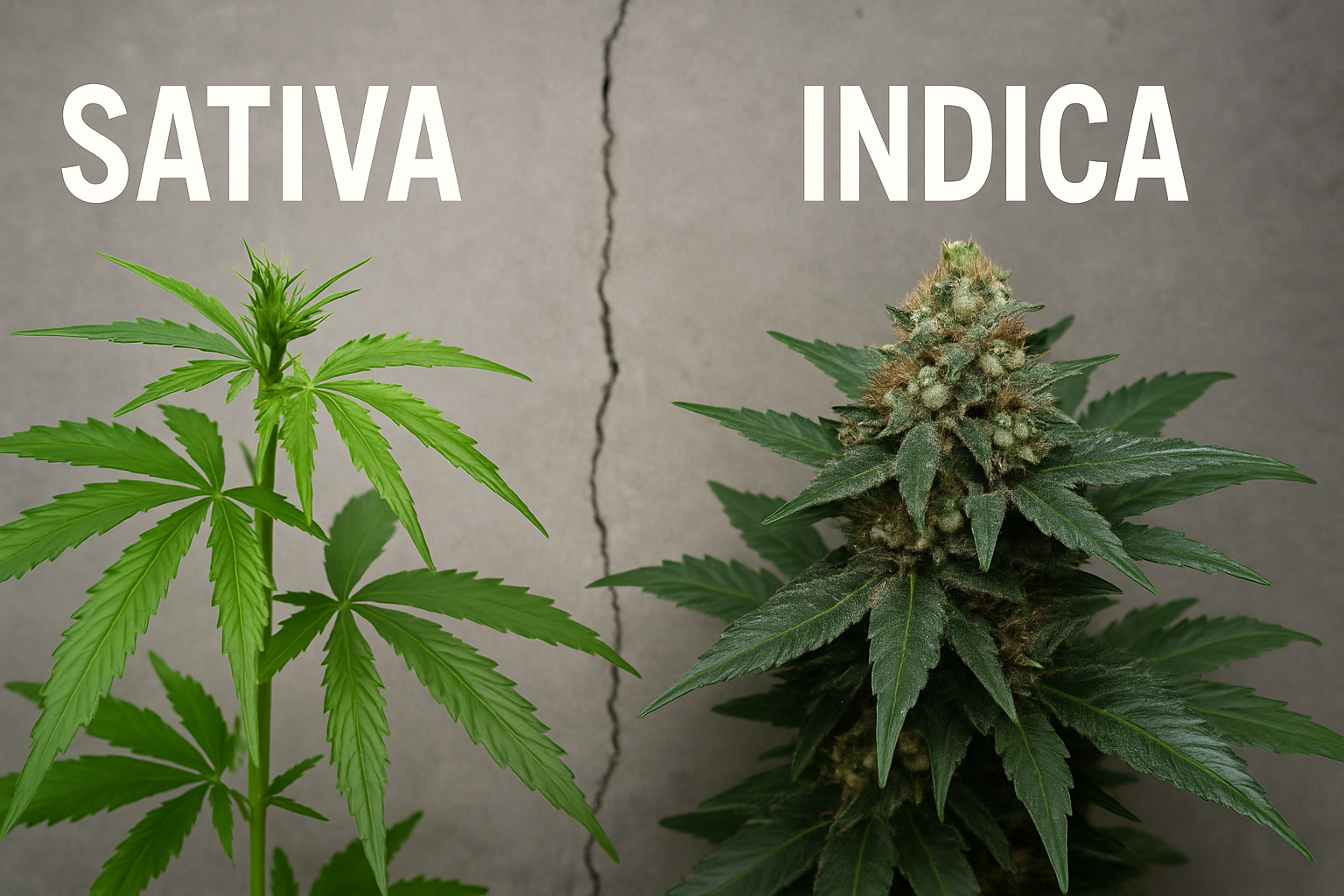
The story of sativa and indica begins with how these plants evolved in different parts of the world. Sativa plants originally grew in warm regions with long seasons, such as Central America, Africa, and Southeast Asia. Because of these climates, the plants adapted by becoming tall and slim, with narrow leaves and a longer time needed to flower. They often grew several feet high, sometimes reaching impressive heights in open fields.
Indica plants evolved in cooler, harsher environments such as the mountains of South Asia and the Middle East. These conditions shaped indica into shorter, bushier plants with wider leaves and faster flower cycles. Their structure helped them survive stronger winds and colder temperatures.
Over time, humans began cultivating both types for different purposes. These natural traits are still used today to help identify and understand basic differences. While this origin story offers a historical foundation in the sativa vs indica conversation, it also sets the stage for how people often describe the effects associated with each plant.
How Sativa and Indica Affect the Body and Mind?
When people compare sativa vs indica, they generally think about how each one feels. Sativa is commonly linked to a more energetic or uplifting experience, often described as something that keeps the mind active or alert. Indica, on the other hand, is usually associated with a calming or relaxing effect, sometimes known for helping slow things down at the end of the day.
These general differences come from how the plant’s natural compounds interact with the body’s own systems. Every person’s experience can be slightly different because factors such as tolerance, environment, and individual biology also play important roles. What one person may find energizing, another might simply find mild or balanced.
Still, the traditional descriptions offer a simple starting point. Sativa often leans toward a brighter, more social or creative feel, while indica is typically described as grounding and soothing. These familiar distinctions are part of why people continue to compare sativa vs indica when deciding what they want.
Quick Comparison Table: Sativa vs Indica
| Feature | Sativa | Indica |
| Typical Effects | Uplifting, energizing, head-focused | Relaxing, calming, body-focused |
| Common Use Time | Daytime | Evening or nighttime |
| Plant Appearance | Tall, thin, narrow leaves | Short, bushy, wide leaves |
| Terpene Tendencies | Citrus, herbal, bright aromas | Earthy, sweet, soothing aromas |
| Best For | Creativity, focus, social energy | Relaxation, sleep, unwinding |
Cannabinoids and Terpenes Behind Sativa vs Indica
The real differences between sativa and indica come from the compounds inside the plant. Cannabinoids and terpenes work together to shape a strain’s aroma, flavor, and general effect. The most well-known cannabinoid is THC, which creates the classic “high.” Another important one is CBD, which is widely associated with a calmer or more balanced experience.
Terpenes are natural oils that give plants their scent. For example, some strains have citrus-like aromas, while others may smell earthy or floral. These scents are not just pleasant—they influence how the body and mind respond.
In the sativa vs indica comparison, people often assume that sativa has certain cannabinoids or terpenes and indica has others. While this can be true in broad terms, the real picture is more complex. The exact mix of compounds—often called the profile—is what makes each strain unique. A sativa with a calming terpene profile may feel more relaxing than expected, while an indica with stimulating terpenes might feel more uplifting. This is why looking at the plant’s compounds offers a more accurate understanding than relying only on the sativa or indica label.
Common Uses and Situations for Each Type
People choose between sativa vs indica based on the situation or the type of experience they want. Sativa is often picked for daytime use because many find it helps keep them engaged or motivated during regular activities. Some people use it when they want to stay mentally active, focus on creative work, or enjoy social moments with more energy.
Indica is commonly used in the evening or when someone wants to unwind. Its calming nature makes it a popular choice for quiet moments, relaxation, or simply easing into a peaceful state after a long day. Many people view indica as something that helps create a sense of comfort and calm.
These tendencies are not strict rules, but they help people make practical decisions. By thinking about the context—what they’re doing and how they want to feel—users can narrow down what might be best for the moment.
Modern Insights: Why the Traditional Sativa vs Indica Divide Isn’t Always Exact?
As cannabis research grows, experts are learning that the classic split between sativa vs indica is not always completely accurate. Many modern strains are hybrids, meaning they are created from mixing sativa and indica plants. This blending allows growers to shape the experience in more precise ways.
Because of this mixing, a plant labeled sativa may sometimes carry traits that feel more calming, while an indica may offer a slightly brighter experience. Genetics play a major role, but so do modern cultivation techniques, crossbreeding, and the specific mix of compounds in each plant.
Current research suggests that the chemical profile gives a more reliable idea of how a plant may feel than simply calling it sativa or indica. Still, these labels continue to offer a quick and familiar starting point for general expectations.
Choosing Between Sativa and Indica Based on Personal Preferences
The most helpful way to choose between sativa and indica is to think about personal preferences and goals. People can start by considering what kind of experience they want—uplifting, calming, balanced, or something tailored for a certain time of day. It also helps to think about sensitivity, comfort levels, and how past experiences have felt.
Another useful approach is paying attention to how different aromas or terpene profiles make you feel, since scent often gives early clues about the plant’s effect. Trying small amounts of different strains can also guide people toward what suits them best.
The sativa vs indica labels offer a general direction, but personal experience is ultimately the most reliable guide. Everyone’s body responds differently, and finding the right match is often a simple process of exploring gently and observing what feels most comfortable.
Conclusion: A Balanced Look at Sativa vs Indica
The discussion of sativa vs indica continues to be an important part of how people understand cannabis. Sativa traditionally leans toward an uplifting feel, while indica is known for calm and relaxation. Their origins, plant structures, and historic use help explain why these patterns exist, while modern science adds more depth by showing how cannabinoids, terpenes, and genetics shape the real experience.
As more research emerges, the familiar labels remain useful but should not be the only factor when choosing. The best approach is to combine basic knowledge with personal preferences and thoughtful exploration. By doing so, readers can make informed and mindful decisions that match their needs, lifestyles, and comfort levels.
FAQs
What is the main difference between sativa and indica?
Sativa usually feels more uplifting and mental, while indica is known for relaxing, body-focused effects. The experience depends on the strain’s chemical profile.
Is sativa better for daytime and indica for night?
Generally yes. Many people use sativa during the day for energy, while indica is often preferred at night for winding down.
Can sativa make you anxious?
For some people, uplifting strains can feel strong or overwhelming. If you’re sensitive, you may prefer milder sativas or indica-dominant options.
Are hybrids a mix of sativa and indica?
Yes. Hybrids combine traits of both types, offering balanced effects. Many modern strains are hybrids rather than pure sativa or indica.
Which one is better for beginners?
There’s no single answer. Start with mild strains—either sativa or indica—and see how your body responds. Slow and steady is the safest approach.
Disclaimer:
This article is for educational purposes only. It does not provide medical, legal, or professional advice. Cannabis effects vary from person to person, so always follow local laws and consult a professional if needed.

My name is Mustafa, and I have been blogging for over 5 years. I am passionate about sharing complete, accurate, and helpful information with my readers. Along with managing content on The Matcha Read, I also contribute blog posts to premium websites. My goal is to provide valuable insights in a clear and easy-to-understand way, so every reader walks away with useful knowledge.