Introduction
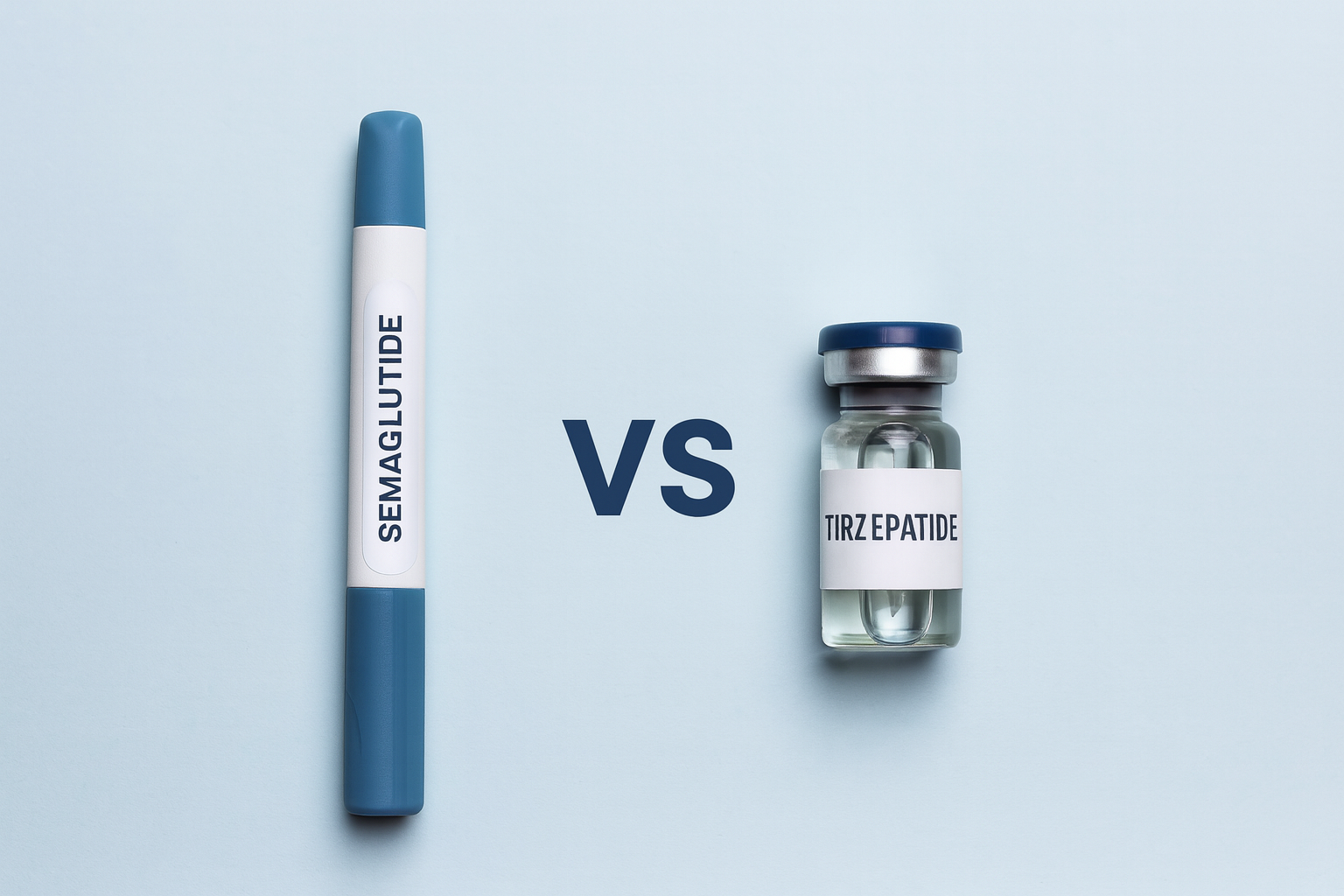
Semaglutide and tirzepatide are two medications that have gained significant attention in recent years for their role in managing type 2 diabetes and supporting weight loss. Both belong to a class of drugs that influence hormones related to appetite and blood sugar, but they work in slightly different ways and may offer different benefits depending on individual needs.
Understanding the differences between semaglutide vs tirzepatide is important for anyone considering these treatments, whether you are a patient exploring options or a healthcare provider advising others. This article will provide a clear, easy-to-understand comparison, including how each drug works, their potential benefits, side effects, clinical evidence, and practical guidance for choosing the right option. By the end, you will have a comprehensive view of these medications to make informed decisions.
Semaglutide vs Tirzepatide Short Overview:
Semaglutide and tirzepatide are medications for type 2 diabetes and weight loss. Semaglutide targets GLP-1, while tirzepatide affects both GLP-1 and GIP hormones, offering slightly stronger weight loss effects.
What is Semaglutide?
Semaglutide is a medication that mimics a natural hormone in the body called GLP-1, which helps regulate blood sugar and appetite. By activating GLP-1 receptors, semaglutide can slow digestion, reduce hunger, and help the body manage glucose levels more effectively.
It is commonly prescribed to help control type 2 diabetes and, in higher doses, to support weight loss in people with obesity. Many patients experience gradual but steady reductions in blood sugar levels and body weight when using semaglutide alongside a healthy diet and exercise routine.
Like any medication, semaglutide comes with potential side effects. The most common are mild gastrointestinal issues, such as nausea, vomiting, or diarrhea, especially during the first few weeks of treatment. Less frequently, some people may experience more serious side effects, which is why regular monitoring by a healthcare provider is recommended. Overall, semaglutide is considered safe and effective when used as directed.
What is Tirzepatide?
Tirzepatide is a newer medication that combines the effects of two hormones, GLP-1 and GIP, both of which play a role in blood sugar regulation and appetite control. By targeting both hormones, tirzepatide can provide a stronger effect on weight loss and blood sugar management compared to drugs that act on GLP-1 alone.
This medication is primarily used for managing type 2 diabetes, but clinical studies have shown that it can also lead to significant weight loss in many patients. Tirzepatide is usually administered as a once-weekly injection, similar to semaglutide, making it convenient for long-term use.
Side effects of tirzepatide are similar to those of semaglutide, with nausea, diarrhea, and decreased appetite being the most commonly reported. As with any prescription medication, healthcare providers monitor patients closely to ensure safety and adjust dosages as needed.
Key Differences Between Semaglutide and Tirzepatide
While semaglutide and tirzepatide share some similarities, there are important differences to consider. One of the main distinctions is their mechanism of action. Semaglutide works primarily on GLP-1 receptors, while tirzepatide activates both GLP-1 and GIP receptors. This dual action may lead to more pronounced effects on weight loss and blood sugar reduction for some patients.
In terms of effectiveness, clinical data suggest that tirzepatide may produce greater weight loss on average compared to semaglutide. However, both medications are highly effective for blood sugar control and weight management when used as part of a comprehensive treatment plan. Individual results can vary depending on factors like diet, lifestyle, and underlying health conditions.
Dosing schedules are relatively similar, with both medications typically administered as weekly injections. However, the exact dosing and titration can differ, and these decisions are best made in consultation with a healthcare provider who can tailor treatment to a patient’s specific needs.
Quick Comparison Table: Semaglutide vs Tirzepatide
| Feature | Semaglutide | Tirzepatide |
| Hormones Targeted | GLP-1 only | GLP-1 + GIP |
| Primary Uses | Type 2 diabetes, weight loss | Type 2 diabetes, weight loss |
| Average Weight Loss | Moderate | Slightly higher |
| Administration | Once-weekly injection | Once-weekly injection |
| Common Side Effects | Nausea, diarrhea, vomiting | Nausea, diarrhea, vomiting |
| Effect on Blood Sugar | Strong | Strong, may be slightly more potent |
| Considerations | Well-tolerated, gradual weight loss | Dual hormone may improve appetite control |
Clinical Research and Evidence
Several major studies have compared semaglutide vs tirzepatide, offering insight into their effectiveness and safety. Trials have consistently shown that both medications significantly reduce blood sugar levels in people with type 2 diabetes. In weight loss studies, tirzepatide has generally shown a slightly greater reduction in body weight compared to semaglutide, though individual responses vary.
Real-world experiences also highlight the benefits of both medications. Many patients report improved energy levels, better appetite control, and steady weight loss over time. Long-term data suggest that both drugs are well-tolerated, though continued monitoring is essential to ensure safety, particularly for those with other health conditions.
Choosing the Right Option for You
Deciding between semaglutide vs tirzepatide involves several considerations. Healthcare providers take into account factors such as current health status, other medical conditions, lifestyle, and personal goals. Some patients may prioritize maximum weight loss, while others may focus on stable blood sugar control or the convenience of dosing schedules.
It’s important to monitor progress and adjust treatment as needed. Regular check-ins with a healthcare provider can help ensure that the medication is effective and that any side effects are managed appropriately. Personalized guidance is key to finding the option that best fits individual needs.
Practical Tips for Managing Side Effects
Both semaglutide and tirzepatide can cause mild gastrointestinal side effects, particularly in the early weeks of treatment. Starting with a lower dose and gradually increasing can help reduce these effects. Eating smaller, more frequent meals and staying hydrated may also improve tolerance.
It’s important to know when to seek medical attention. Severe or persistent nausea, vomiting, or abdominal pain should be reported to a healthcare provider. Maintaining a balanced diet, regular physical activity, and adequate sleep can support the effectiveness of these medications and help minimize side effects.
Conclusion
In summary, semaglutide vs tirzepatide both offer effective options for managing type 2 diabetes and supporting weight loss, but they work in slightly different ways. Semaglutide focuses on GLP-1 activity, while tirzepatide targets both GLP-1 and GIP hormones, potentially offering stronger weight loss effects for some patients.
Choosing the right medication depends on individual goals, health status, and lifestyle factors. Consulting a healthcare provider is essential for making an informed decision and ensuring safe, effective use. By understanding the similarities and differences between these medications, patients can take a confident step toward better health and well-being.
FAQs
Which is better for weight loss, semaglutide or tirzepatide?
Tirzepatide may produce slightly more weight loss on average, but results vary per individual. Both are effective with a healthy lifestyle.
Can I take semaglutide and tirzepatide together?
No, these medications should not be combined. Your doctor will recommend one based on your health goals and conditions.
How long does it take to see results?
Some patients notice blood sugar improvements within weeks, and weight loss usually appears gradually over a few months.
Are the side effects severe?
Most side effects are mild, like nausea or diarrhea, especially in the first few weeks. Severe reactions are rare but require medical attention.
Do I need to adjust my diet while on these medications?
Yes, a balanced diet and regular activity enhance results and help reduce side effects.
Disclaimer:
This article is for informational purposes only and does not replace professional medical advice. Always consult a healthcare provider before starting, stopping, or changing any medication.

My name is Mustafa, and I have been blogging for over 5 years. I am passionate about sharing complete, accurate, and helpful information with my readers. Along with managing content on The Matcha Read, I also contribute blog posts to premium websites. My goal is to provide valuable insights in a clear and easy-to-understand way, so every reader walks away with useful knowledge.