Introduction
When exploring cannabis, two terms you might hear a lot are THCA and THC. Both are cannabinoids found in the cannabis plant, but they behave differently in the body and offer unique effects. Understanding the distinction between THCA vs THC is essential, especially if you’re interested in how cannabis affects health, mood, or overall wellness.
THCA, or tetrahydrocannabinolic acid, is a compound present in raw cannabis, while THC, or tetrahydrocannabinol, is the well-known compound responsible for the “high” often associated with cannabis. Knowing the difference between these two can help you make informed choices about consumption methods, potential health benefits, and safe use. In this article, we’ll explore what THCA and THC are, how they differ, and what that means for anyone curious about cannabis.
THCA vs THC Short Overview:
THCA is the non-psychoactive form of cannabis found in raw plants, while THC is the compound that produces a “high.” Understanding THCA vs THC helps you choose the right form for wellness or recreational use.
| Feature | THCA | THC |
| Psychoactive? | No | Yes |
| Natural Form | Found in raw cannabis | Forms after decarboxylation (heat/light) |
| Common Use | Wellness, anti-inflammatory, raw juice | Recreational, pain relief, appetite boost |
| Health Benefits | Anti-inflammatory, neuroprotective | Pain relief, sleep aid, appetite stimulation |
| Conversion | Converts to THC when heated or aged | Already active; no conversion needed |
| Legal Status | Often less restricted | Regulated in most regions |
What is THCA?
THCA is a naturally occurring cannabinoid found in fresh, unprocessed cannabis plants. In its raw state, it exists as an acidic compound that does not produce psychoactive effects, meaning it won’t make you feel “high.” In the plant, THCA is concentrated in the trichomes—the small, crystal-like structures on the buds and leaves that contain cannabinoids and terpenes.
One of the key things to know about THCA is that it is non-psychoactive. This makes it appealing to people looking for potential wellness benefits without the intoxicating effects of THC. THCA can be consumed in raw cannabis juice, tinctures, or capsules, and research suggests it may have anti-inflammatory, neuroprotective, and antiemetic properties.
What is THC?
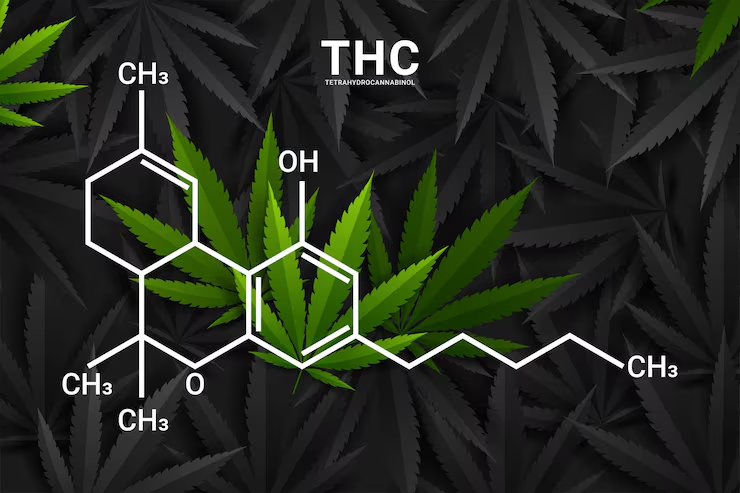
THC, short for tetrahydrocannabinol, is the cannabinoid most commonly associated with the psychoactive effects of cannabis. Unlike THCA, THC binds with receptors in the brain and nervous system to produce the familiar feelings of euphoria, relaxation, or altered perception.
Chemically, THC is the decarboxylated form of THCA, meaning it forms when THCA undergoes a chemical change—usually through heat or aging. Functionally, this makes THC the compound responsible for recreational cannabis experiences and certain therapeutic effects, such as pain relief, appetite stimulation, and anxiety reduction. While THC is more widely recognized, understanding how it differs from THCA is crucial for anyone interested in safe and informed cannabis use.
How THCA Converts to THC?
The transformation of THCA into THC happens through a process called decarboxylation. This occurs when THCA is exposed to heat, light, or even prolonged storage. Heat is the most common trigger, which is why smoking, vaping, or cooking cannabis activates THC.
Decarboxylation is important because it changes the chemical structure of THCA, allowing it to interact with the body’s endocannabinoid system in a way that produces psychoactive effects. Without this process, consuming raw cannabis will not result in a “high,” though some people may still enjoy the potential health benefits of THCA. Understanding this process helps explain why certain consumption methods are more effective for those seeking THC’s effects, while raw or lightly processed forms retain THCA.
Health and Therapeutic Effects of THCA vs THC
Both THCA and THC may offer therapeutic benefits, but they affect the body in different ways. THCA is often explored for its potential anti-inflammatory and neuroprotective properties. Some early research suggests it could help reduce nausea, support brain health, and provide general wellness benefits without intoxication.
THC, on the other hand, is recognized for its effectiveness in managing pain, stimulating appetite, improving sleep, and reducing anxiety or muscle spasticity. However, THC can also produce side effects such as increased heart rate, dry mouth, or temporary memory impairment. For those considering cannabis for wellness purposes, knowing whether THCA or THC is more appropriate depends on the desired outcome—whether the goal is relief without a high or the full psychoactive experience.
Methods of Consumption and Their Impact
The way you consume cannabis greatly influences whether you experience the effects of THCA, THC, or both. Raw cannabis, such as in juices or cold-pressed oils, retains THCA, allowing you to enjoy its potential benefits without psychoactive effects.
Heated forms of consumption—smoking, vaping, or cooking cannabis—trigger decarboxylation, converting THCA into THC and producing the characteristic “high.” Tinctures and oils may also vary depending on whether they have been heated or processed to activate THC. Understanding how consumption affects the balance between THCA and THC is key for tailoring your experience, whether you prioritize wellness benefits, relaxation, or recreational effects.
Legal Considerations for THCA and THC
The legal status of THCA and THC can differ significantly depending on where you live. In many regions, THC is regulated as a controlled substance because of its psychoactive properties, while THCA in raw cannabis may not fall under the same restrictions.
However, once THCA converts to THC through heat, the legal classification may change. This distinction is important for both purchase and possession, and it emphasizes the need to be aware of local laws when handling or consuming cannabis products. Knowing the legal landscape ensures that your use of THCA or THC remains safe and compliant.
Choosing Between THCA and THC
Deciding between THCA and THC largely depends on your personal goals and needs. If you’re seeking wellness benefits without psychoactive effects, THCA may be the preferred choice. For recreational or therapeutic use where psychoactive effects are desired, THC is likely more appropriate.
It’s also important to consider consumption methods, dosage, and frequency. Starting with small amounts, particularly for THC, can help avoid unwanted effects. Many users incorporate both forms into their routines, using THCA during the day for wellness and THC in controlled doses for evening relaxation. Understanding the differences and planning your use accordingly can lead to a safer, more satisfying experience.
Conclusion
THCA vs THC represents a fundamental distinction in cannabis science. THCA is non-psychoactive and may offer potential health benefits, while THC is responsible for the psychoactive effects commonly associated with cannabis. Learning how THCA converts to THC, understanding consumption methods, and knowing the legal considerations are all crucial for informed use.
By understanding the science behind these cannabinoids, you can make educated choices that align with your wellness goals, recreational preferences, and personal safety. Whether you choose THCA, THC, or a combination, the key is using knowledge to guide responsible and thoughtful consumption.
FAQs
Can THCA make me high?
No, THCA is non-psychoactive and won’t produce a “high” unless it’s heated and converted into THC.
How does THCA turn into THC?
Through a process called decarboxylation, triggered by heat, light, or time, THCA loses a chemical group and becomes psychoactive THC.
Which is better for medical use—THCA or THC?
It depends on the goal. THCA may help with inflammation or nausea without a high, while THC can help with pain, sleep, or appetite stimulation.
Can I consume both THCA and THC together?
Yes, many people use both. THCA can be taken raw during the day, and THC can be consumed in heated forms later, depending on desired effects.
Are THCA and THC legal?
THC is regulated in most regions due to its psychoactive effects. THCA in raw cannabis is often less restricted, but laws vary by location.
Disclaimer:
This article is for informational purposes only. It does not provide medical advice, diagnosis, or treatment. Always consult a healthcare professional before using cannabis for health purposes, and follow local laws regarding cannabis use.

My name is Mustafa, and I have been blogging for over 5 years. I am passionate about sharing complete, accurate, and helpful information with my readers. Along with managing content on The Matcha Read, I also contribute blog posts to premium websites. My goal is to provide valuable insights in a clear and easy-to-understand way, so every reader walks away with useful knowledge.