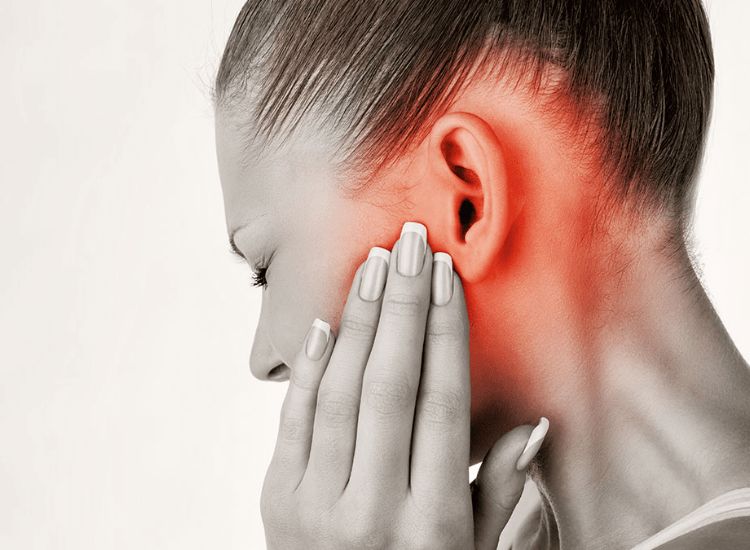
If you’ve ever felt weird jaw pain, clicking sounds when you chew, or an earache that doesn’t feel like a real ear infection, you’re not alone. TMJ symptoms are incredibly common, yet most people don’t realize that their jaw joint can cause all sorts of issues in the face, head, neck and even the ears. The thing is, your jaw joint works every single time you talk, eat, smile, yawn or even clench without realizing it. So when something goes wrong there, you feel it all over your face.
In this guide, I want to walk you through TMJ symptoms in a warm, easy way, almost like we’re sitting together and talking about what you’ve been feeling. I’ll share the common signs, the sneaky ones, the causes, and what actually helps. No complicated medical talk. Just real explanations and real tips that make sense in everyday life.
Snippet-Ready Definition:
TMJ symptoms include jaw pain, clicking sounds, ear pressure, headaches and difficulty chewing. These signs appear when the jaw joint or surrounding muscles become strained, irritated or misaligned. Early recognition helps prevent long-term discomfort.
TMJ Meaning – How Your Jaw Joint Works
Let’s start simple. TMJ stands for temporomandibular joint. It sits right in front of your ears and works like a tiny hinge with a sliding plate. Every time you eat, talk or yawn, this joint and the surrounding muscles get activated.
Here’s the thing: when the TMJ becomes irritated or the muscles around it get too tight, you can feel pain in places you wouldn’t expect. That’s because the jaw joint is close to nerves that connect to your ears, neck, temples and even your teeth. This is why TMJ symptoms can feel confusing.
Also, people often mix up TMJ and TMD. TMJ is the joint itself. TMD means temporomandibular disorder, which is the problem affecting the joint or muscles. Most people simply say TMJ, even when they mean the disorder.
Quick Guide Table: TMJ Symptoms at a Glance
| Symptom Category | Common Signs You Might Notice | What It Usually Means |
| Jaw and Facial Pain | Aching near jaw, temples, cheeks | Muscle tension or joint inflammation |
| Jaw Movement Issues | Clicking, popping, limited opening | Disc displacement or tight jaw muscles |
| Ear-Related Symptoms | Earache, pressure, ringing, dizziness | TMJ irritation near ear structures |
| Headaches and Neck Pain | Temple headaches, stiff neck, shoulder tension | Clenching or grinding during day or night |
| Bite and Chewing Problems | Teeth not fitting right, chewing on one side | Misalignment or muscle imbalance |
Bullet List: Common TMJ Symptoms People Ignore
- Dull or sharp jaw pain that worsens with chewing
- Clicking or popping sounds
- Ear pressure without infection
- Morning jaw stiffness
- Temple headaches or migraines
- Neck and shoulder tightness
- Teeth grinding or clenching at night
- Jaw locking open or shut
Main TMJ Symptoms You Should Know
TMJ symptoms can show up differently for everyone, but most people notice a pattern. Let’s go through the big ones in a natural, easy way.
Jaw and Facial Pain
Jaw pain is usually the first sign. You might feel a dull ache near your cheeks, temples or in front of your ears. Sometimes the pain travels into your neck or shoulders, especially if you’ve been clenching your teeth without noticing. People often tell me they notice the pain most when chewing something tough or after talking for too long.
Clicking, Popping or Locking
This one surprises people. You might open your mouth and hear a sudden click or pop. Sometimes it’s loud enough that someone sitting next to you can hear it. The sound itself isn’t always painful, but it can make your jaw feel unstable or stiff.
In some cases, the jaw gets stuck halfway open, or you feel like it won’t open wide at all. This can be scary the first time it happens, but it’s one of the classic TMJ symptoms.
Headaches and Neck Pain
TMJ headaches usually hit you at the temples or behind your eyes. They feel like tension headaches that just won’t go away. If you wake up with a headache often, it might be from nighttime clenching or grinding. The muscles that support your jaw attach near your neck too, which is why TMJ pain can travel downward and create neck or shoulder tension.
TMJ Symptoms in the Ear
This part confuses a lot of people. TMJ symptoms can easily feel like ear problems. You might notice:
- A dull earache
- Pressure or fullness like your ear is blocked
- Ringing or buzzing sounds
- Occasional dizziness or feeling off balance
The best part is learning that there’s nothing wrong with your ear at all. The jaw joint sits extremely close to the ear canal, so inflammation can trigger ear-related symptoms without an actual infection.
Bite Changes and Chewing Problems
Sometimes your teeth feel like they don’t fit together the same way, even though nothing has changed. You may chew more on one side because the other side feels uncomfortable. This imbalance often shows up during flare ups.
Sleep and Grinding Problems
People with TMJ often grind or clench their teeth at night. You may not notice it, but you’ll feel it the next morning as jaw stiffness, headaches or a tired feeling in your face. It also affects sleep quality. Even light clenching over time can strain your TMJ and muscles.
Less Obvious TMJ Symptoms That Surprise People
Some TMJ symptoms are so unusual that people don’t connect them to the jaw at all.
Nerve-Related Symptoms
When the nerves around the TMJ get irritated, you might feel tingling, burning or mild numbness around your jaw, cheeks or even your lips. Some people describe sudden sharp pains when chewing or yawning.
Dizziness and Balance Problems
TMJ inflammation can affect structures near the inner ear, which helps control balance. You might feel short episodes of dizziness or light unsteadiness, especially during a TMJ flare up.
Stress, Sleep and Clenching
Stress plays a huge role in TMJ symptoms. When you’re tense, your jaw muscles tighten without you noticing. Over time, this tension builds into jaw pain, headaches and stiffness. Poor sleep and anxiety can make grinding worse too.
TMJ Causes – Why These Symptoms Start
TMJ symptoms rarely show up out of nowhere. There are usually a few reasons behind them.
Jaw injuries like a fall, a car accident or even something simple like a big yawn can strain the joint. Teeth grinding and clenching are some of the biggest causes, especially during stressful periods. When the muscles stay tight for too long, the joint becomes irritated.
Some people have arthritis in the TMJ or natural wear and tear from age. Others have bite alignment issues, missing teeth or habits that put pressure on the jaw, like chewing gum all day, biting nails or leaning the chin on the hand while scrolling on the phone.
Posture matters too. Looking down at screens can push your head forward, tightening the neck and jaw muscles. On top of that, small habits like chewing only on one side can also strain the joint more than you think.
Is It Really TMJ or Something Else?
TMJ symptoms often get confused with ear infections, toothaches or sinus problems.
TMJ Ear Pain vs Ear Infection
TMJ ear pain usually feels dull and pressure-like. It often changes when you move your jaw, yawn or chew. An ear infection, on the other hand, usually causes sharp pain, fever or discharge.
If your ear feels full or blocked but your hearing is fine, there’s a good chance it’s TMJ rather than an infection.
TMJ vs Dental or Sinus Issues
TMJ pain can mimic a toothache even if the tooth is perfectly healthy. Sinus pain usually comes with congestion and a heavy pressure feeling around the nose or forehead. If moving your jaw changes your pain, TMJ is the likely cause.
When TMJ Symptoms Need a Dentist or Doctor
Most TMJ symptoms are manageable at home, but there are times when you should get help.
If your jaw locks open or shut and doesn’t return easily, that needs attention. Sudden swelling, fever or strong redness around the jaw could mean infection. Persistent ear pain, ringing or dizziness also deserves a checkup.
If your TMJ symptoms last longer than a few weeks or start affecting your ability to eat, speak or sleep comfortably, it’s time to see a dentist, a TMJ specialist or an orofacial pain expert.
TMJ Treatment Options That Actually Help
You have plenty of options, starting with simple home care and moving to medical treatments if needed.
Home Care for Mild TMJ Symptoms
Start by giving your jaw a break. Eat softer foods for a few days and avoid anything that requires wide opening or heavy chewing. Warm compresses can relax tight muscles, while cold packs help with sharp pain or swelling.
Keep your jaw in a relaxed position: lips together, teeth slightly apart and the tongue resting on the roof of your mouth. Also notice if you clench during the day. Most people do it without realizing it.
TMJ Exercises and Physical Therapy
Gentle TMJ exercises can improve jaw movement and reduce clicking. Physical therapists trained in TMJ issues can guide you through controlled opening, stabilization exercises and muscle relaxation techniques. Doing these consistently makes a big difference over time.
Splints, Medications and Other Treatments
Dentists often recommend night guards or splints to reduce grinding pressure. These help protect your teeth and relax jaw muscles. Medications like anti inflammatories or muscle relaxers can help during flare ups.
In severe cases, doctors may use injections to calm muscle spasm or inflammation. Surgery is very rare and usually only done when nothing else works.
Can You Cure TMJ Permanently?
Here’s the real answer: many people improve tremendously with lifestyle changes, exercises and proper care. Some people even recover fully. But TMJ can also be a long term condition that you manage instead of cure. The goal is to reduce flare ups, lower pain and regain normal function.
Daily Habits to Prevent TMJ Flare Ups
Small changes make a big difference. Try to avoid chewing gum, biting nails or using your teeth to open things. Be mindful of posture when using your phone or laptop. Use both sides while chewing and cut food into smaller pieces.
Stress management helps a lot. Deep breathing, stretching and good sleep hygiene reduce nighttime clenching. Think of your jaw like any other muscle. The more relaxed it stays, the better it performs.
Living With TMJ Symptoms – Final Thoughts
Living with TMJ symptoms can feel frustrating, especially when the pain moves around your face or shows up in your ears or head. But the good news is that most people improve once they understand the triggers and start taking small steps every day.
TMJ symptoms often respond well to simple changes like better posture, avoiding clenching, doing gentle exercises and using night guards. If your symptoms get in the way of eating, speaking or sleeping, don’t wait. A dentist or TMJ specialist can give you a treatment plan that actually works.
Remember, your jaw plays a huge role in your daily life. The sooner you listen to what it’s trying to tell you, the faster you’ll feel better.
FAQs About TMJ Symptoms
What is the best cure for TMJ?
There isn’t one single cure for TMJ, but most people improve with a mix of self care, jaw exercises, night guards, stress reduction and posture corrections. Severe cases may need physical therapy or medical treatments, but surgery is rare.
What is the main cause of TMJ?
The most common causes include teeth grinding, clenching, jaw muscle tension, stress, poor posture and jaw injuries. Bite alignment issues, arthritis and repetitive habits like gum chewing can also trigger TMJ symptoms.
How will you know if you have TMJ?
You’ll usually notice jaw pain, clicking sounds, ear pressure, headaches or difficulty chewing. If your symptoms change when you move your jaw or eat, there’s a good chance it’s TMJ related.
What are the worst symptoms of TMJ?
Severe TMJ symptoms include intense jaw pain, jaw locking, sharp ear pain, strong headaches, dizziness and sudden bite changes. If these symptoms get worse or affect eating or speaking, it’s important to get professional help.
When should I see a doctor or dentist for TMJ symptoms?
If your jaw locks, you have swelling, fever, constant dizziness or pain that lasts longer than a few weeks, it’s best to see a TMJ specialist, dentist or doctor.
Disclaimer:
This article is for informational purposes only and not a substitute for professional medical advice, diagnosis or treatment. Always consult a qualified dentist, doctor or TMJ specialist if you experience persistent pain, jaw locking, severe headaches or symptoms affecting your daily activities.

My name is Mustafa, and I have been blogging for over 5 years. I am passionate about sharing complete, accurate, and helpful information with my readers. Along with managing content on The Matcha Read, I also contribute blog posts to premium websites. My goal is to provide valuable insights in a clear and easy-to-understand way, so every reader walks away with useful knowledge.