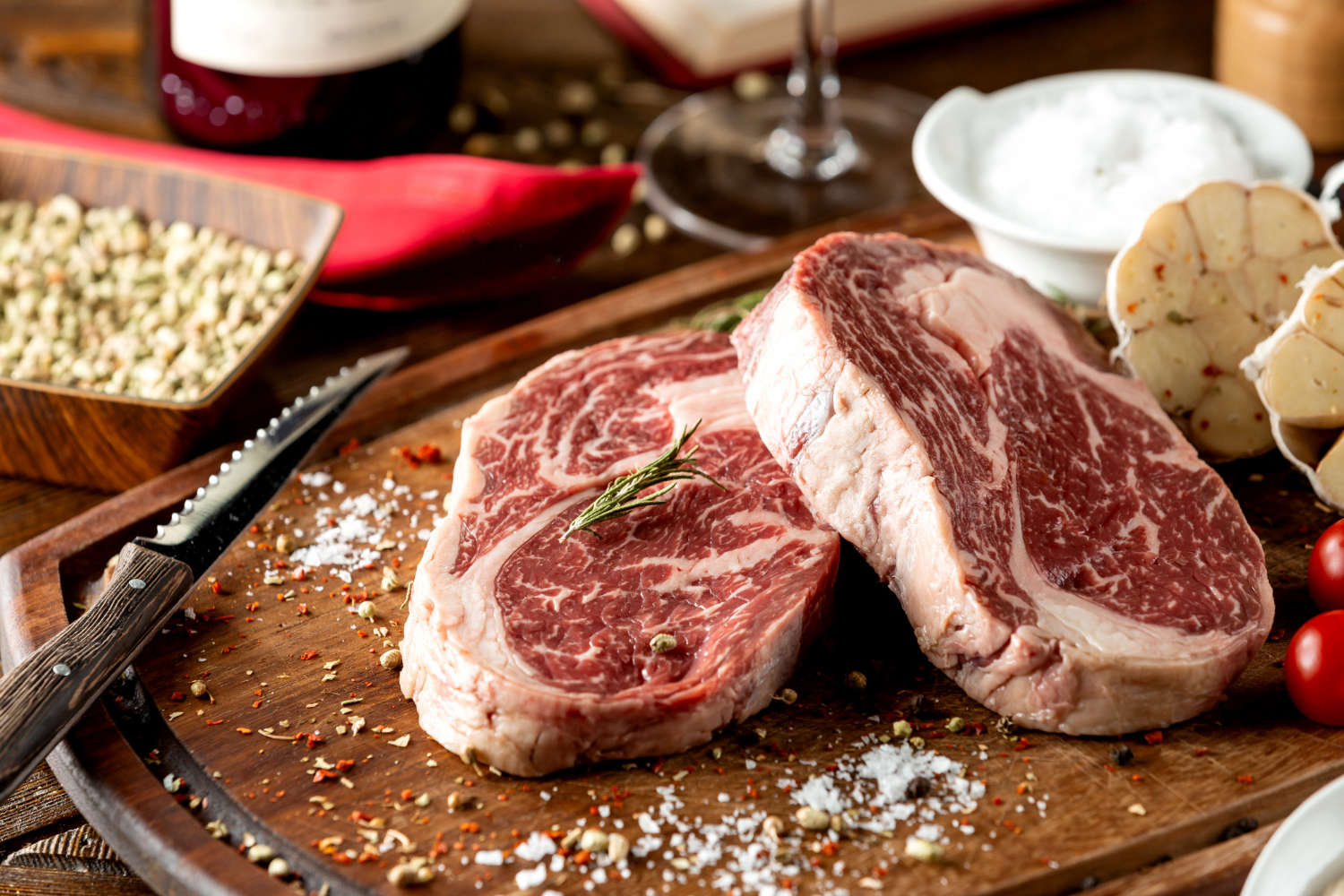
If you’ve ever seen a picture of wagyu beef, you’ll notice it doesn’t look like most steaks. The meat is laced with fine, creamy white marbling that almost looks like marble stone. And here’s the thing. That marbling isn’t just beautiful. It’s responsible for the tender, buttery texture and rich flavor that makes wagyu one of the most luxurious meats in the world.
I’ve worked with wagyu cattle and graded beef for many years, and I can tell you this. Wagyu isn’t just expensive because it’s hyped. It’s expensive because it’s rare, difficult to produce, and unbelievably delicious when raised and cooked correctly.
Wagyu Beef Short Overview:
Wagyu beef is a high quality Japanese beef known for its rich marbling, buttery texture, and intense flavor. It’s prized for its tenderness, premium grades and careful farming process.
What Is Wagyu Beef?
Wagyu literally means Japanese cow. But it doesn’t refer to all cattle raised in Japan. Wagyu beef comes from a small group of specific breeds that have unusual genetics. These genetics create a much higher percentage of intramuscular fat compared to ordinary beef. That fat forms the delicate marbling that melts during cooking, turning the meat tender and full of umami flavor.
Most beef can be tasty if you cook it right, but wagyu beef has a different personality. It feels buttery, slightly sweet, and incredibly juicy without being greasy. People describe it as luxurious, but I prefer to say it tastes effortless.
Wagyu Cow Breeds And What Makes This Animal Different?
There are four major wagyu breeds. Japanese Black is the most common, making up almost all wagyu beef in Japan. There’s also Japanese Brown, also known as Akaushi, plus Japanese Shorthorn and Japanese Polled. Each was bred for careful traits like marbling, flavor, and calm temperament.
One thing people get wrong is thinking wagyu comes from cows that are simply fed better. Genetics matter much more. These cattle naturally produce monounsaturated fat inside the muscle fibers, not just around them. That’s why wagyu beef looks like it was drawn with white paint.
Marbling, Flavor, And Texture In Wagyu Beef
The fine web-like fat inside wagyu is called marbling. It melts at a lower temperature, which is why wagyu almost dissolves on your tongue. On top of that, the fat is high in monounsaturated fats like oleic acid, which contributes to a clean, mildly sweet flavor.
When people bite into A5 wagyu beef for the first time, they usually pause mid-chew because the texture doesn’t match anything they’ve eaten before. It feels soft, but there’s no mushiness. It’s like the beef bastes itself from inside.
Origins And Types Of Wagyu Beef
Wagyu beef has its roots in Japan’s agricultural history, where farmers bred cattle slowly and selectively for strength, endurance, and eventually meat quality. It wasn’t mass-produced for fast money. It was developed as a craft.
Japanese Wagyu Beef And Its Regional Brands
In Japan, wagyu beef is often tied to a specific region with its own identity. For example, Kobe beef comes from the Hyogo prefecture and is made from the Tajima strain of Japanese Black cattle. Other famous varieties like Matsusaka, Omi, and Hida each have their own flavor characteristics, traditions, and standards.
This is why Japanese wagyu beef is expensive. It isn’t a random product. It’s a protected cultural asset with strict oversight.
American, Australian, And Other Wagyu Around The World
Outside Japan, wagyu beef is often crossbred with Angus or other breeds to create what people call American wagyu beef or Australian wagyu. These versions are still excellent but usually less intensely marbled and more robust in flavor.
Think of Japanese wagyu as luxurious silk. American wagyu is more like a high quality wool jacket. Both great, just different experiences.
| Feature | Japanese Wagyu | American Wagyu |
| Breed | Pure Japanese cattle | Crossbred (Wagyu x Angus) |
| Marbling | Very high, delicate | High, but less intense |
| Flavor | Buttery, soft, rich | Beefy, balanced, juicy |
| Price | Very expensive | Moderate to expensive |
| Best For | Small portions, fine dining | Steaks, burgers, grilling |
Wagyu Beef Grades And What A5 Really Means?
Japan doesn’t grade beef casually. The grading system looks at yield and quality. Quality is measured by marbling, color, firmness, and fat quality. The top grade is A5 wagyu beef, which is considered the best of the best in terms of marbling, texture, and eating experience.
Japanese Grading System
- A, B, C measure yield
- 1 to 5 measure quality
- Beef Marbling Score (BMS) ranges from 1 to 12
- A5 with a BMS of 10 to 12 is extremely rare
When I grade beef, I don’t just look at how much fat there is. I look at how fine and uniform it is. Coarse marbling is not ideal. The best wagyu looks like lace.
A5 Wagyu Beef: Why It’s The Top Grade?
A5 beef melts almost instantly in the mouth. That’s why chefs serve it in thin slices or small cubes. If you tried to eat a big steak of it like a regular ribeye, it would be too rich. People sometimes misunderstand the price. They think restaurants charge a lot because they’re greedy.
The reality is that raising an A5 wagyu cow is a long, expensive journey. And even then, only a small percentage of animals achieve that level.
Wagyu Beef vs Kobe Beef And Other Luxury Steaks
Here’s a useful rule. All Kobe beef is wagyu, but not all wagyu is Kobe. Kobe is a regional brand with strict requirements. The cattle must be born, raised, and processed in Hyogo prefecture. They must also meet a specific marbling and quality score.
Wagyu beef vs Kobe beef comes down to rarity, consistency, and brand protection. Kobe beef often costs more because there is less of it and the rules are stricter. But if you ask me, the experience depends more on the cut. I’ve had simple A4 wagyu ribeye that tasted better than a famous Kobe steak.
How Is Wagyu Beef Raised?
People often think wagyu cattle are massaged daily and given beer. There are stories like that, but they aren’t standard. The truth is more straightforward and scientific.
The cattle are raised longer than normal cattle, usually 28 to 36 months. They’re fed high quality grain based diets to encourage even marbling. And they’re raised in low stress environments because stress increases cortisol, which reduces fat quality.
When an animal is stressed, the meat becomes tougher and less flavorful. So yes, we go out of our way to keep wagyu cattle comfortable. Happy cows make better beef.
Why Is Wagyu Beef So Expensive?
Wagyu beef is expensive because everything about it takes more time, effort, and money. The genetics are rare. The feeding programs are costly. And the farmers invest years into every animal. On top of that, export rules, inspection systems, and brand protection add more layers.
Here’s a simple comparison. A regular cow might reach market weight in about 15 to 18 months. A wagyu cow can take twice that time. When you’re feeding an animal for more than 30 months with high quality grain, the cost adds up fast.
In many countries, the wagyu beef price per kg can range from moderate for American wagyu to extremely high for Japanese A5 wagyu. When you see the price, you’re paying for time, craftsmanship, and rarity.
Is Wagyu Beef Healthy? Nutrition And Portions
People assume meat with a lot of fat must be unhealthy. But wagyu fat is different. It contains more monounsaturated fats than most beef, especially oleic acid. Some studies suggest it may influence cholesterol differently than saturated fat. But that doesn’t mean you should eat it daily.
Because wagyu is rich, small portions go a long way. A few ounces of A5 wagyu beef can satisfy you more than a large 12 ounce regular steak. When I serve wagyu at home, I pair it with vegetables or rice and eat slowly. It’s not food you rush through.
Popular Wagyu Cuts, Steaks, And Burgers
The most popular wagyu beef steak cuts are ribeye, striploin, tenderloin, and sirloin. Ribeye has the highest marbling. Striploin is balanced and tender. Tenderloin is buttery but mild. In Japan, thin sliced cuts of A5 wagyu are used for dishes like sukiyaki and yakiniku, cooked quickly and eaten in small bites.
American wagyu beef burgers are also popular. The fat content makes them juicy, but they don’t taste the same as pure Japanese wagyu. They taste more like a very rich premium burger.
If you ever try a wagyu hot dog, prepare to question your life choices. It tastes like a completely different product.
How To Cook Wagyu Beef At Home?
Cooking wagyu is easy if you respect its nature. For Japanese A5 wagyu, slice it thin, cook it fast, and season lightly. You don’t need oil because wagyu fat melts immediately. Too much heat or time will ruin it.
For American or Australian wagyu steak, you can cook it like a premium steak. Grill or pan sear works best. Just don’t overcook. Medium rare is ideal for most cuts. Let the steak rest for several minutes before slicing, so the juices settle.
If you try to cook A5 wagyu on a grill like a regular steak, you’ll probably end up with a flare up. The fat melts too fast. That’s a rookie mistake.
Buying Wagyu Beef: Near You And Online
Finding wagyu beef near you usually means checking specialty butchers, high end grocery stores, or Japanese markets. Ask questions. Where did it come from? Full blood wagyu or crossbred? What is the marbling score?
When buying wagyu beef online, look for companies that share transparent grading information. Avoid vague language like wagyu style beef. Frozen wagyu is perfectly fine, as long as it’s vacuum sealed and stored properly.
How To Spot Authentic Wagyu Vs Misleading Labels?
A lot of companies label beef as wagyu when it contains a tiny percentage of wagyu genetics. In some regions, there are no legal rules to stop this. Real wagyu should include information about breed, origin, and grade.
If someone sells wagyu beef at a suspiciously low price, it’s almost certainly not authentic Japanese wagyu beef. Quality wagyu doesn’t belong in the bargain bin.
Chef And Butcher Tips To Enjoy Wagyu Like A Pro
The best advice I can give is to treat wagyu as a special experience, not a giant meal. Serve smaller portions and focus on flavor.
A few simple tips:
- Let it reach room temperature before cooking
- Use minimal seasoning
- Keep portions small
- Pair with mild sides
- Don’t pair it with heavy sauces
And here’s something most people don’t know. Save the rendered wagyu fat. Use it to cook eggs or potatoes. It turns ordinary food into magic.
Conclusion: Is Wagyu Beef Right For You?
Wagyu beef isn’t just fancy meat. It’s the result of careful breeding, patient farming, and deep respect for craftsmanship. It takes years and incredible skill to raise a wagyu cow to the level of A5. That’s why it tastes different. That’s why it costs more.
If you want a steak that feels comforting and familiar, go for American wagyu beef. If you want a once in a lifetime experience, Japanese A5 wagyu beef is unforgettable. Just remember, wagyu isn’t meant to be eaten in large portions. It’s meant to be savored, shared, and appreciated.
When you understand how wagyu is raised, graded, and cooked, you don’t just eat it. You experience it. And trust me, once you experience it the right way, you’ll never forget it.
FAQs
What is wagyu beef in simple words?
It’s beef from special Japanese breeds known for intense marbling and exceptional flavor.
Is wagyu beef worth the price?
If you value unique flavor and texture, yes. If you just want a big steak, probably not.
Can you eat wagyu beef rare?
For A5 wagyu, very rare to medium rare is ideal. Overcooking ruins it.
What is the difference between wagyu beef and Kobe beef?
Kobe is a specific regional wagyu from Hyogo with strict standards.
Disclaimer:
The information in this article is based on professional experience and publicly available research about wagyu beef. It is provided for educational purposes only and shouldn’t be taken as medical, nutritional or purchasing advice. Prices, availability and health impact can vary by location, grade, and individual dietary needs. Always consult qualified professionals when making health or dietary decisions.

My name is Mustafa, and I have been blogging for over 5 years. I am passionate about sharing complete, accurate, and helpful information with my readers. Along with managing content on The Matcha Read, I also contribute blog posts to premium websites. My goal is to provide valuable insights in a clear and easy-to-understand way, so every reader walks away with useful knowledge.