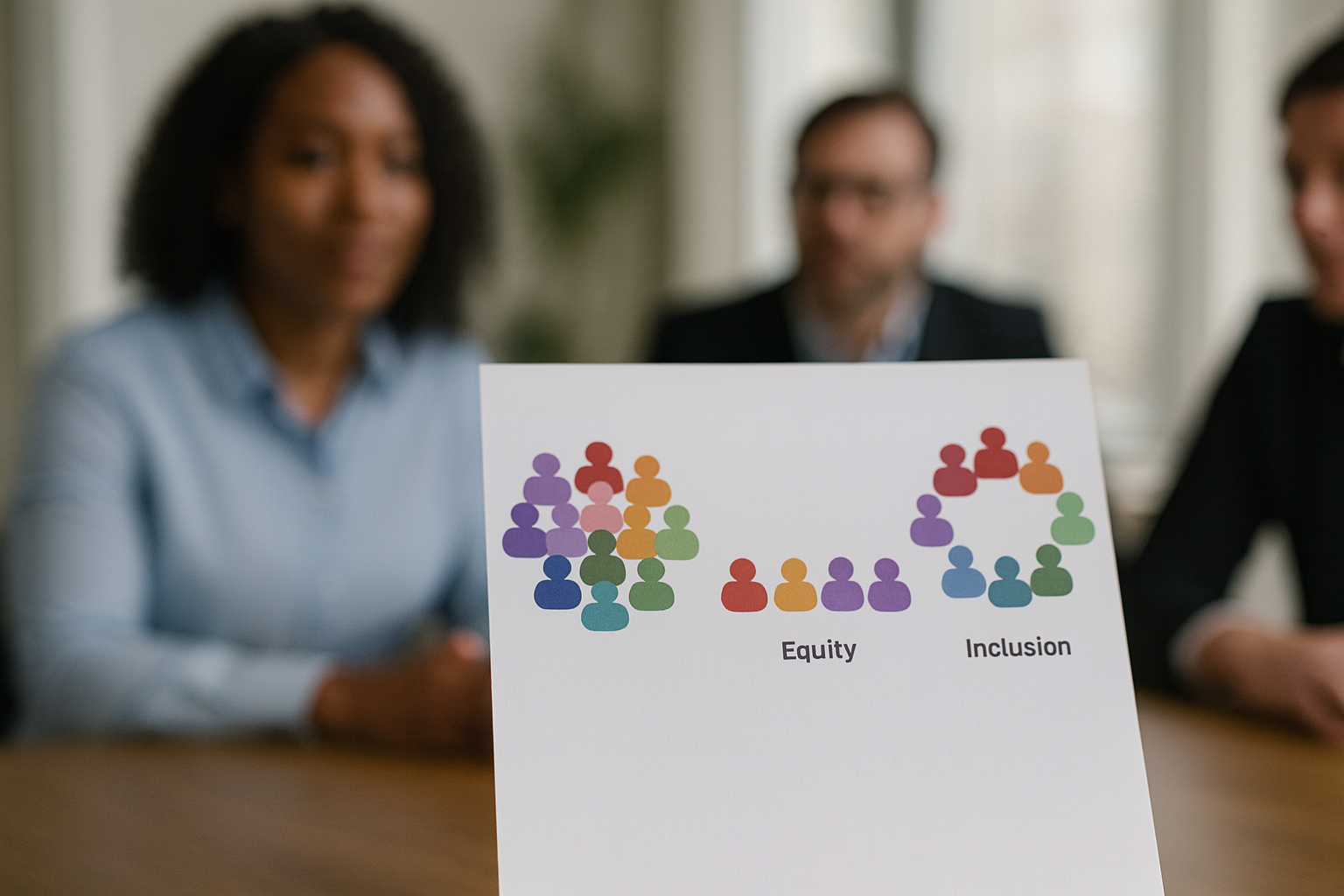
Introduction: What Is DEI and Why Does It Matter Today?
If you’ve heard the term DEI floating around lately and wondered what it actually means, you’re definitely not alone. DEI stands for Diversity Equity and Inclusion and it has become a major topic in workplaces schools and even government policies. At its core DEI is about creating an environment where people from different backgrounds feel respected supported and able to succeed.
Here’s the thing most organizations don’t struggle with having people from different backgrounds. They struggle with making sure those people feel welcomed listened to and treated fairly. That’s the real heart of DEI. It’s not just a program or a poster on the wall. It’s a mindset and a set of practices that shape everyday experiences.
DEI matters today because the world is changing. Workforces are more diverse markets are more competitive and people expect organizations to treat them with dignity. And guess what when organizations get this right they don’t just do the right thing they also tend to perform better.
DEI Short Overview:
What is DEI It stands for Diversity Equity and Inclusion and focuses on creating fair opportunities safe culture and equal access for people from different backgrounds in workplaces schools and society.
What Does DEI Stand For?
Diversity Who Is in the Room?
Diversity is about having differences represented in a group. This includes race gender age religion disability sexual orientation socioeconomic background and many other human characteristics. It’s important to remember diversity is not just visible traits. Differences in perspectives experiences and thinking styles count too.
The goal of diversity is representation. For example companies may track leadership diversity or schools may work on attracting students from underrepresented communities. Diversity gives organizations better access to ideas insights and problem solving approaches.
In real life diversity can show up through balanced hiring practices scholarships inclusive marketing or community engagement. These are simple DEI examples that help explain how diversity becomes measurable.
Equity Fair Support Not Just Equal Treatment
Equity is often misunderstood because it sounds like equality. Equality says give everyone the same thing. Equity says give each person what they specifically need to succeed. Fair outcomes not one size fits all treatment.
Think about two employees. One has a disability and needs assistive software. The other doesn’t. Giving both the exact same resources wouldn’t be fair. Equity is providing tools policies or support that accommodate differences.
A lot of workplaces and schools are shifting from equality to equity because they’ve realized people don’t start from the same place. Equity aims to close those gaps through things like pay equity audits adaptive technology financial support or targeted training.
Inclusion Who Actually Feels They Belong
Inclusion is the part people feel. It’s the culture behaviors and everyday experiences that allow individuals to feel safe valued and involved. Inclusion isn’t just being allowed in the room. It’s having a real voice once you’re there.
An inclusive workplace might encourage employees to express opinions challenge ideas or ask questions without fear. Teams with high inclusion tend to have better collaboration creativity and problem solving because people don’t hold back.
The best part is inclusion doesn’t cost money. It comes from communication leadership and consistent behavior that signals every person matters.
Why DEI Is Used and Why It Is Important?
DEI is used to reduce barriers that have historically disadvantaged certain groups. This can be racial barriers gender bias disability access gaps or systems that unintentionally favor some people over others.
From a business perspective DEI is not just about being nice. It’s deeply connected to performance and competitiveness. Studies repeatedly show that diverse teams make better decisions and outperform less diverse groups. Organizations with strong DEI initiatives tend to have higher employee engagement lower turnover and stronger innovation.
On top of that there are legal and reputational reasons. Modern consumers employees and investors pay attention to how organizations treat people. Companies with transparent policies inclusive cultures and fair practices often gain public trust faster.
How Does DEI Work in Real Life?
Organizations put DEI into action through policies systems and everyday habits. It might look like inclusive hiring processes transparent pay structures or training leaders on psychological safety. It could also mean reviewing policies for bias or ensuring buildings and websites are accessible.
Here’s the issue many companies make a statement about DEI without changing behaviors or systems. Real DEI is measurable and integrated into decision making hiring promotion and team culture. It’s not just training once a year.
Common DEI Programs and Initiatives
Some common initiatives include:
- Inclusive hiring practices
- Pay equity analysis
- Unconscious bias or inclusive leadership training
- Employee resource groups
- Mentorship and sponsorship programs
- Accessibility upgrades
These programs help organizations put values into practice instead of relying on good intentions.
DEI in Different Settings
DEI in the Workplace
Workplace DEI focuses on ensuring employees from all backgrounds can thrive. It affects hiring promotions pay benefits leadership roles and day to day culture.
A simple example is how meetings are managed. If only a few people dominate discussions others won’t feel comfortable sharing ideas. Inclusive managers ask quieter people to speak encourage disagreement without punishment and make sure credit is shared fairly.
Workplace DEI initiatives are most successful when leaders model the behavior and when employees feel safe speaking up about problems.
DEI in Education
DEI in education aims to give students fair opportunities and support regardless of background. Schools and colleges may use inclusive curriculum scholarship programs mental health services or student resource centers to support marginalized groups.
Education is a powerful space for equity because early access to support can change long term outcomes. A classroom can be diverse but without equity or inclusion those differences often become disadvantages.
DEI in Government
DEI in government focuses on fair access to services representation and public employment. Government agencies might update hiring practices modernize service delivery or create programs for underserved communities.
The goal is to reduce systemic barriers that keep certain groups from participating in society fully. For example language access disability accommodations housing support or anti-discrimination laws.
Real World DEI Examples
Real world examples help make this practical
Workplace examples
- Transparent salary bands
- Family friendly policies
- Diverse interview panels
Education examples
- Inclusive curriculum
- Financial aid for underrepresented groups
- Campus resource centers
Government examples
- Accessible public buildings
- Community outreach programs
- Multilingual services
These examples show that DEI is not abstract ideology. It’s applied problem solving.
DEI Hiring and What a DEI Candidate Means?
The term DEI candidate sometimes refers to someone who adds diversity or supports DEI values. Unfortunately some people assume it means hiring unqualified individuals which creates unnecessary backlash.
In reality DEI hiring aims to remove barriers that stop qualified people from advancing. It’s about widening the talent pool not lowering standards.
Hiring managers who believe in DEI evaluate skills fairly reduce bias in interviews and look beyond traditional backgrounds or networks.
Benefits and Limits of DEI Programs
What Works Well?
Organizations with strong DEI strategies tend to see
- Better innovation and problem solving
- Higher employee retention
- Stronger team performance
Diverse teams bring different experiences which leads to better decisions. Employees who feel valued stay longer and contribute more.
What Goes Wrong?
Many companies make mistakes by launching quick programs with no accountability. Token gestures and one time workshops typically backfire and can increase resentment.
DEI only works when leaders hold themselves accountable and when employees see changes in behavior not just slogans.
Criticism Controversy and Politics Around DEI
Why Some People Disagree With DEI?
Some critics argue that DEI can lead to reverse discrimination lower standards or create political division. In some cases people have experienced poorly implemented programs that felt forced or performative.
These concerns shouldn’t be ignored. They often come from real frustrations or unclear communication.
DEI and Political Backlash
In recent years some politicians including Donald Trump have taken steps to restrict DEI programs especially in public institutions. These actions have led corporations and universities to rethink or rebrand their strategies.
Whether someone supports or opposes those policies the trend has shifted the language and approach around DEI.
Is DEI Marxism?
Some critics link DEI to Marxist or neo Marxist theory. Realistically DEI is not a political system or economic model. It is a set of practices aimed at fairness and opportunity in workplaces and institutions.
Confusing DEI with Marxism oversimplifies both concepts and prevents useful conversation.
How To Build an Effective DEI Strategy?
Effective DEI strategy starts with data listening and honesty. You can’t fix problems you refuse to see. Organizations need to analyze hiring promotions turnover and employee feedback with a critical eye.
Practical steps include:
- Setting measurable goals
- Training leaders not just employees
- Reviewing policies for bias
- Holding managers accountable
One mistake I see often is placing all DEI work on women or minorities. That always fails. Leaders need to own it.
How Individuals Can Support DEI?
You don’t need a title to make a difference. Small everyday actions matter
- Invite quieter voices into discussions
- Call out bias respectfully
- Share credit
- Mentor someone
These small actions change culture faster than any policy.
The Future of DEI After 2025
DEI is evolving due to legal challenges and political pressure. Some organizations are rebranding initiatives under terms like belonging inclusive culture or people equity.
Outside the US DEI is growing with focus areas like disability inclusion and neurodiversity. Globally businesses are recognizing that fairness is not a trend but a business advantage.
The next phase of DEI will rely less on slogans and more on measurable outcomes.
Conclusion: What DEI Really Means?
So what is DEI It’s a set of practices that help people succeed regardless of their background. Diversity brings different voices. Equity provides fair access. Inclusion builds a culture where everyone feels they belong.
DEI isn’t about perfection or pleasing everyone. It’s about building environments where more people can contribute learn and grow. And the truth is when organizations do this well everyone benefits not just one group.
If you want to start somewhere simple look at how people treat each other on your team. That’s usually where the real problems and the real solutions begin.
FAQs
What is the purpose of DEI?
The purpose of DEI is to reduce barriers that prevent people from different backgrounds from having fair access to opportunities and to create environments where everyone can succeed and feel included.
What are some examples of DEI in the workplace?
Examples include fair hiring practices pay transparency disability accommodations diverse leadership inclusive language and policies that support mental health or family needs.
Why is DEI important in schools?
DEI in education helps students access resources equally see themselves reflected in curriculum and feel safe and supported so they can learn and grow without bias or disadvantage.
How does DEI benefit organizations?
DEI supports better decision making creativity employee engagement lower turnover and stronger business results. Teams with diverse perspectives tend to solve problems faster.
Is DEI the same as affirmative action?
No. Affirmative action is often legal policy while DEI is a broader approach focused on culture fairness and equal opportunity in everyday systems and behavior.
Disclaimer:
The information in this article is provided for general educational purposes and should not be taken as legal or professional advice. Policies related to DEI may vary by organization industry or country. Readers should consult qualified experts when making decisions related to compliance human resources or workplace policy.

My name is Mustafa, and I have been blogging for over 5 years. I am passionate about sharing complete, accurate, and helpful information with my readers. Along with managing content on The Matcha Read, I also contribute blog posts to premium websites. My goal is to provide valuable insights in a clear and easy-to-understand way, so every reader walks away with useful knowledge.