Introduction
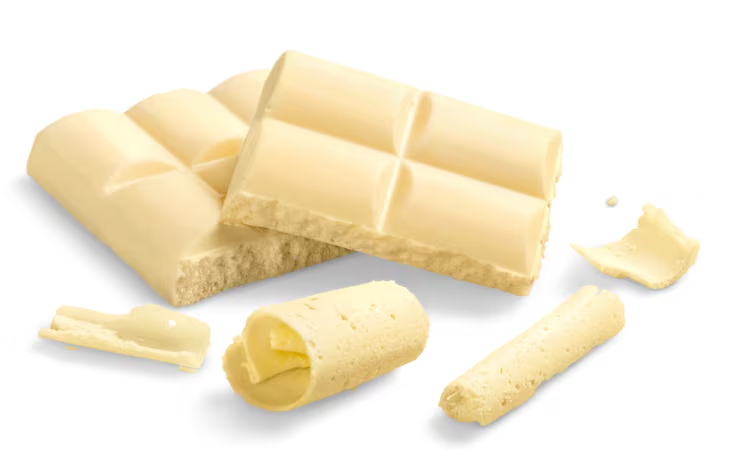
White chocolate is a beloved treat known for its creamy, sweet flavor and smooth texture. Unlike milk or dark chocolate, white chocolate doesn’t contain cocoa solids, which gives it a lighter color and a milder taste. Despite this difference, it has grown in popularity over the years, appearing in everything from desserts and candies to gourmet drinks and festive recipes. People enjoy white chocolate not only for its rich sweetness but also for its versatility in cooking and baking. In this article, we’ll explore the history, production, uses, and unique qualities of white chocolate, helping you understand why it has become a favorite for so many.
The Origins and History of White Chocolate
White chocolate is a relatively modern invention compared to traditional chocolate. It first appeared in the 1930s, created by Swiss chocolatiers who wanted a smoother, sweeter version of chocolate that focused on cocoa butter rather than cocoa solids. Initially, it was considered a luxury product, mainly available in Europe, but its appeal soon spread worldwide.
Over the decades, white chocolate has evolved alongside the chocolate industry. Advances in production methods allowed manufacturers to produce it more consistently, while creative recipes showcased its potential beyond simple candy bars. Today, white chocolate holds a special place in confectionery culture, featured in everything from high-end desserts to everyday treats. Its global popularity is also tied to its adaptability, making it a favorite for chefs, bakers, and chocolate lovers alike.
What Makes White Chocolate Different?
White chocolate stands out because of its unique composition. Its primary ingredients are cocoa butter, sugar, and milk solids. Unlike milk or dark chocolate, it does not contain cocoa solids, which are responsible for the classic chocolate flavor and darker color. This distinction gives white chocolate a creamy, buttery taste that is sweeter and less bitter than other types of chocolate.
Texture also sets white chocolate apart. When properly made, it melts smoothly in the mouth and has a velvety feel. Its flavor is delicate, often described as sweet, creamy, and slightly milky, which allows it to pair well with a variety of other ingredients. The absence of cocoa solids makes it a canvas for flavors like vanilla, citrus, or fruit, offering versatility in both sweet and savory applications.
How White Chocolate Is Made?
The production of white chocolate starts with cocoa butter, the fat extracted from cocoa beans. Cocoa butter is combined with sugar and milk solids, which provide sweetness and a creamy texture. The mixture is then refined and conched, a process that smooths the chocolate and ensures an even consistency.
Industrial production often uses precise machinery to control temperature and texture, producing a uniform product suitable for mass consumption. Artisanal methods, on the other hand, may involve small-batch blending and careful tempering, which can enhance flavor and texture. While the basic ingredients remain the same, the method of production can greatly influence the final taste and mouthfeel of white chocolate, making both commercial and handcrafted versions appealing in different ways.
Cooking and Baking with White Chocolate
White chocolate is a favorite ingredient for bakers and chefs because of its versatility. It can be used in a variety of desserts, from creamy mousses and truffles to cakes, cookies, and frostings. Its mild flavor allows it to complement other ingredients without overpowering them, making it perfect for pairing with fruits, nuts, or spices.
When working with white chocolate, it’s important to melt it carefully to avoid burning. Gentle heat or a double boiler is ideal, and tempering can help achieve a smooth, glossy finish for candies or decorations. Popular flavor combinations include white chocolate with raspberry, matcha, caramel, or even chili. Its ability to blend seamlessly into both warm and cold dishes makes it a reliable choice for creative recipes.
Health Considerations and Nutritional Facts
Like all sweets, white chocolate should be enjoyed in moderation. It tends to be higher in sugar and fat than dark chocolate, though it does contain some beneficial compounds from cocoa butter, such as antioxidants and healthy fats. A small piece can provide a quick energy boost and satisfy a sweet craving.
However, excessive consumption may contribute to weight gain or elevated blood sugar levels, so portion control is key. For those looking for slightly healthier options, some brands offer white chocolate with reduced sugar or added flavors like vanilla or fruit. Understanding its nutritional profile helps you enjoy white chocolate responsibly while still indulging in its creamy sweetness.
Fun and Creative Uses Beyond Sweets
White chocolate isn’t limited to traditional desserts. It has found its way into beverages, such as hot chocolate, coffee drinks, and even smoothies, adding a rich, sweet touch. Chefs and home cooks experiment with white chocolate in unique recipes, from savory sauces to fruit-infused treats, demonstrating its culinary flexibility.
Decorative uses are also popular. White chocolate can be molded, drizzled, or shaved to enhance the presentation of cakes, pastries, and festive desserts. Its smooth texture and light color make it ideal for creating visually striking designs, whether for gifting or special occasions. Its ability to serve both practical and creative purposes has contributed to its lasting appeal.
Conclusion
White chocolate is much more than a sweet treat. Its unique composition, rich history, and versatility make it a favorite for both casual indulgence and culinary creativity. From baking and cooking to decorative and beverage uses, it offers endless possibilities for flavor and presentation. By understanding its origins, qualities, and potential applications, anyone can appreciate white chocolate not just as a candy but as a versatile ingredient worth exploring. Whether you enjoy it in a dessert, a drink, or as part of a creative recipe, white chocolate continues to charm taste buds around the world with its creamy, sweet appeal.
FAQs
Is white chocolate really chocolate?
Yes, but it doesn’t contain cocoa solids. It’s made mainly from cocoa butter, sugar, and milk, giving it a sweet, creamy taste.
Can I bake with white chocolate like regular chocolate?
Absolutely! White chocolate works well in cakes, cookies, mousses, and truffles, but it melts faster, so careful handling is key.
Is white chocolate healthier than dark chocolate?
Not necessarily. White chocolate is higher in sugar and fat and has fewer antioxidants than dark chocolate. Enjoy in moderation.
What flavors pair best with white chocolate?
Fruits like raspberry, orange, or strawberry, nuts, vanilla, caramel, and spices like cinnamon or chili work beautifully.
How can I store white chocolate?
Keep it in a cool, dry place, away from sunlight. Properly stored, it can last 6–12 months.
Disclaimer:
This article is for informational purposes only. Nutritional and health information is general and may not apply to everyone. Consult a professional for personalized advice.

My name is Mustafa, and I have been blogging for over 5 years. I am passionate about sharing complete, accurate, and helpful information with my readers. Along with managing content on The Matcha Read, I also contribute blog posts to premium websites. My goal is to provide valuable insights in a clear and easy-to-understand way, so every reader walks away with useful knowledge.